Repair for washing machines that will not drain, spin, fill or start, or that leak, shake, smell or show error codes.
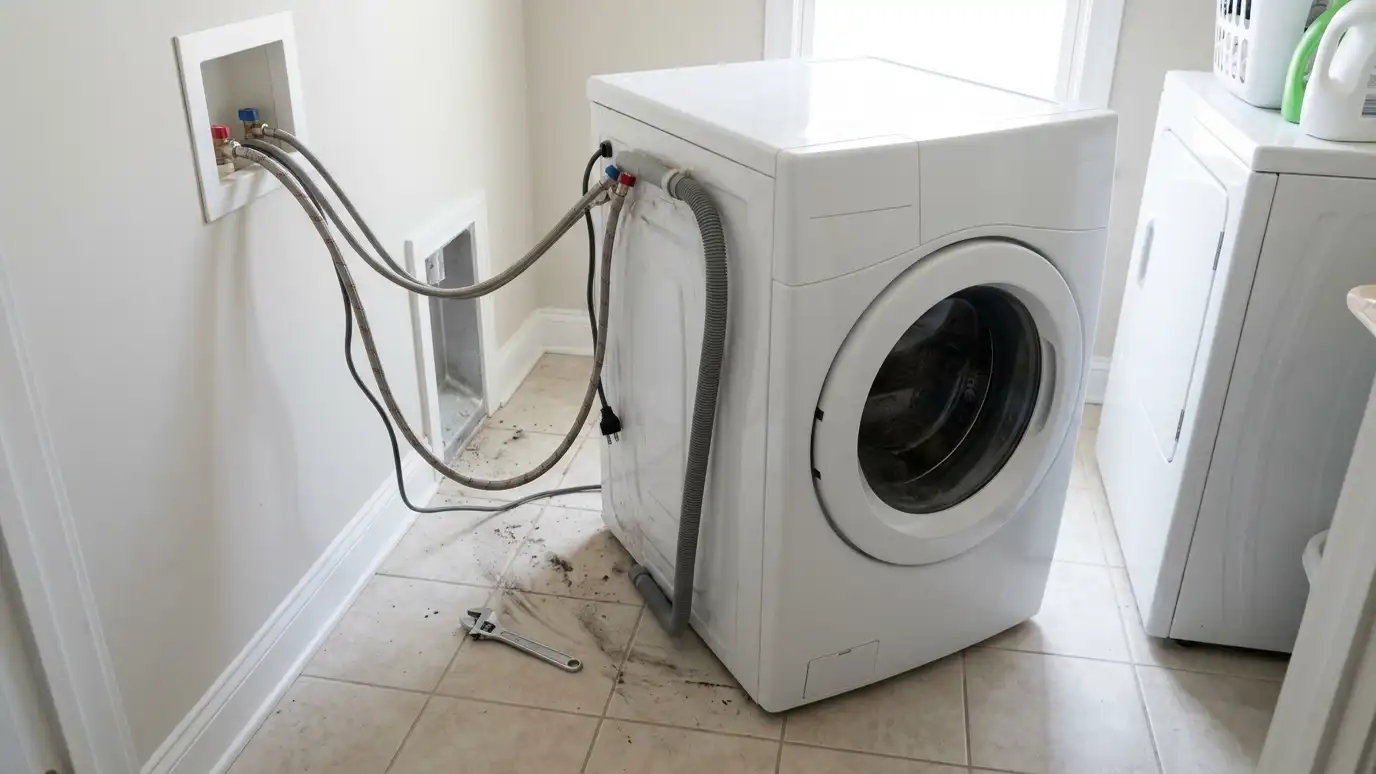
When the washer breaks, laundry piles up fast, and in a busy Nashville household that can mean a crisis by the end of the week. A machine that will not drain leaves a drum of cold water and soaking clothes. One that will not spin delivers sopping loads, and one that leaks across the laundry room floor puts the subfloor at risk. Most washer failures trace to a handful of parts: the drain pump, the lid or door switch, the inlet valves, the belt or motor coupling, the suspension or the control board.
We diagnose by symptom and by code, then test the likely parts in order. We check the drain pump and filter, inlet valves and screens, water level switch, door lock, motor, belt or coupler, shock absorbers or suspension rods and the control. After the repair we run a full cycle to confirm fill, wash, drain and spin, and we leave you with simple habits that keep the machine running, like leaving the door ajar and using the right amount of detergent.
A clogged pump filter, a failed pump or a kinked hose is the leading cause, and a coin or sock is often the culprit.
A worn belt, motor coupling, lid switch or unbalanced load keeps the drum still.
Hoses, door boots, pump seals and tub gaskets can all leak, and we trace the source with a dry run.
Worn bearings, shocks or an unlevel machine create loud, walking washers we correct.
Drag the handle to compare.
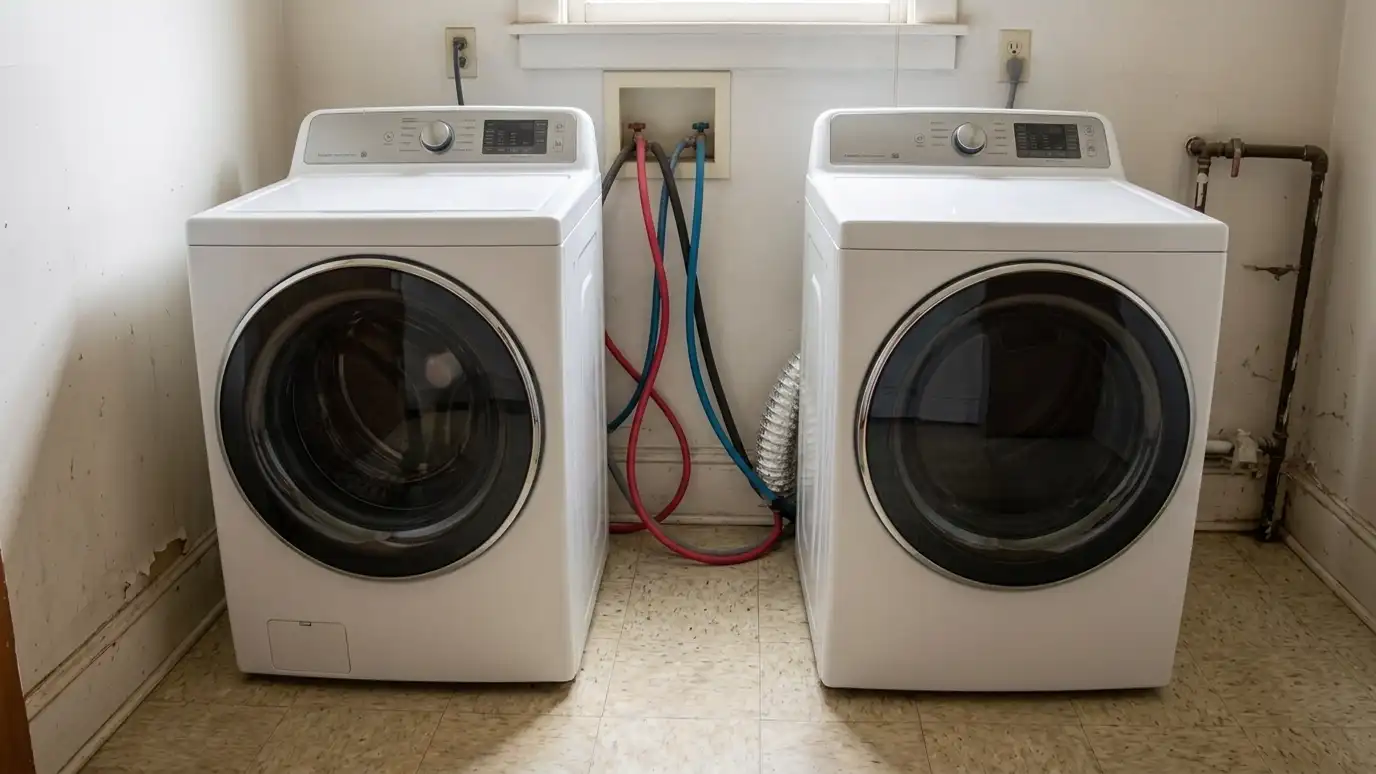
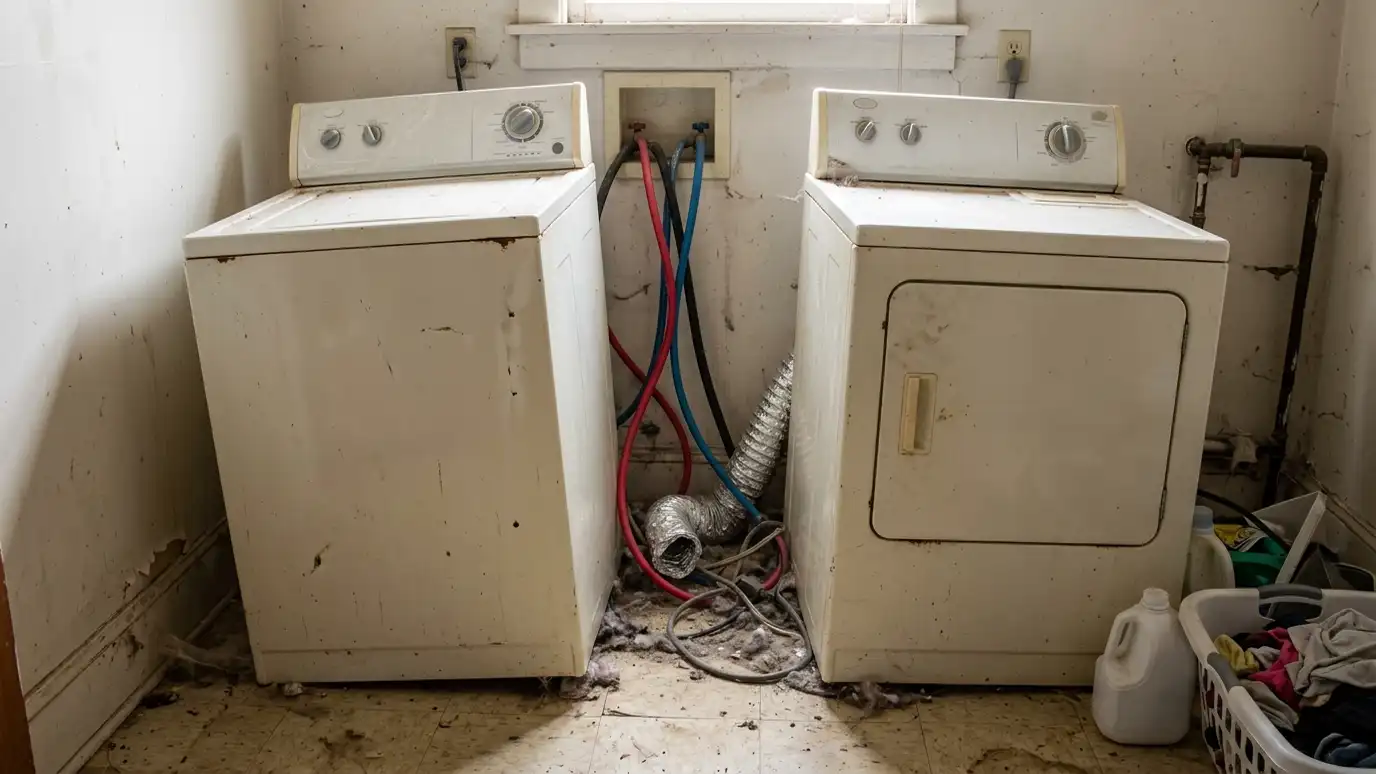 BeforeAfter
Right part, first time.
Common failures.
Spin restored.
Hoses, boots and seals.
Fill, wash, drain, spin.
Prevent odors and clogs.
Every topic has its own page with what to expect and how we approach it.
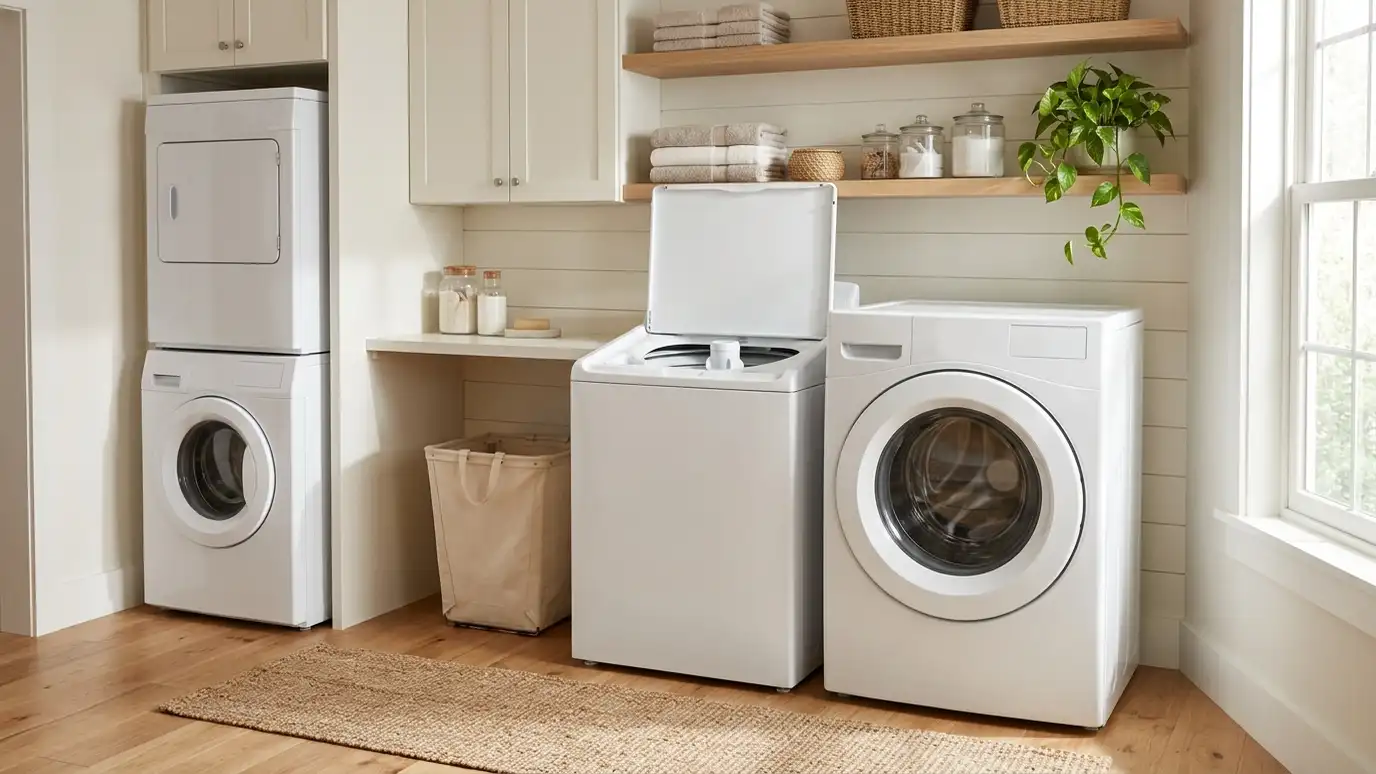 Topic guideWasher Types ComparedFront load, top load agitator, top load impeller and compact washers compared on cleaning, water use, size and…Learn more
 Topic guideRepair or Replace GuideA plain way to decide whether to fix an appliance or buy a new one, using age, repair…Learn more
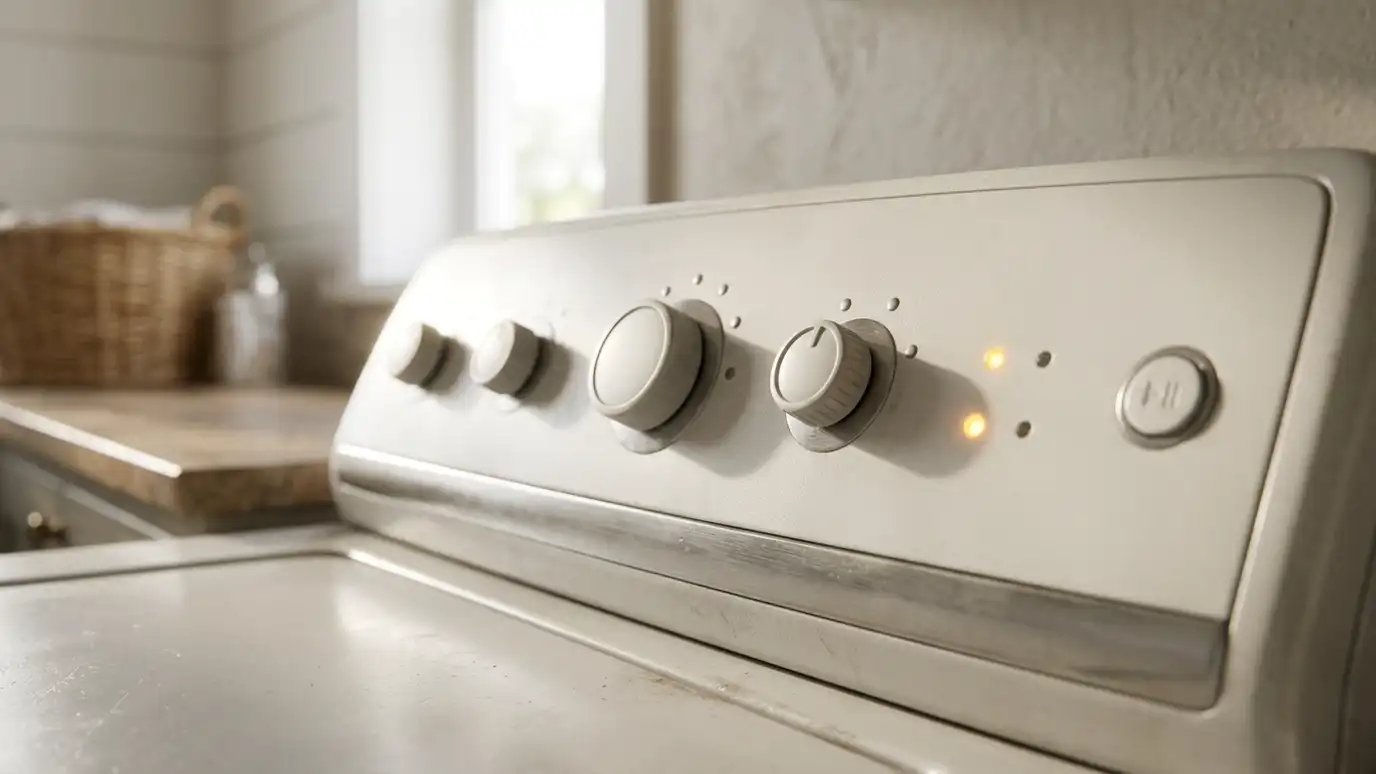 Topic guideError Codes and Warning SignsWhat common error codes, noises, smells and symptoms mean and when to stop using an appliance and call…Learn more
Pick a repair or installation, set the quantity and add extras to see a ballpark planning range for your appliance project.
You tell us the brand, the model and what the appliance is doing, and we give you early guidance and set a visit that fits your day.
A technician inspects the appliance, reads codes and tests parts with meters and gauges to find the real cause.
You get a plain written plan with the parts, the work and the cost, and honest advice on repair or replace.
We repair with parts matched to your model, or install the new appliance level, connected and secured.
We run the appliance through a full cycle, check for leaks and show you how it works before we leave.
We keep a record, answer questions and stay available if anything seems off after the visit.
A clogged drain pump or filter, a kinked hose or a failed pump is typical.
An unbalanced load, unlevel feet or worn shocks or suspension cause it.
Detergent residue and moisture build mold. Clean the gasket, use less soap and leave the door open.
Often yes when the repair is modest. We give honest advice based on age and cost.
Yes, and we have pages for each with more detail.
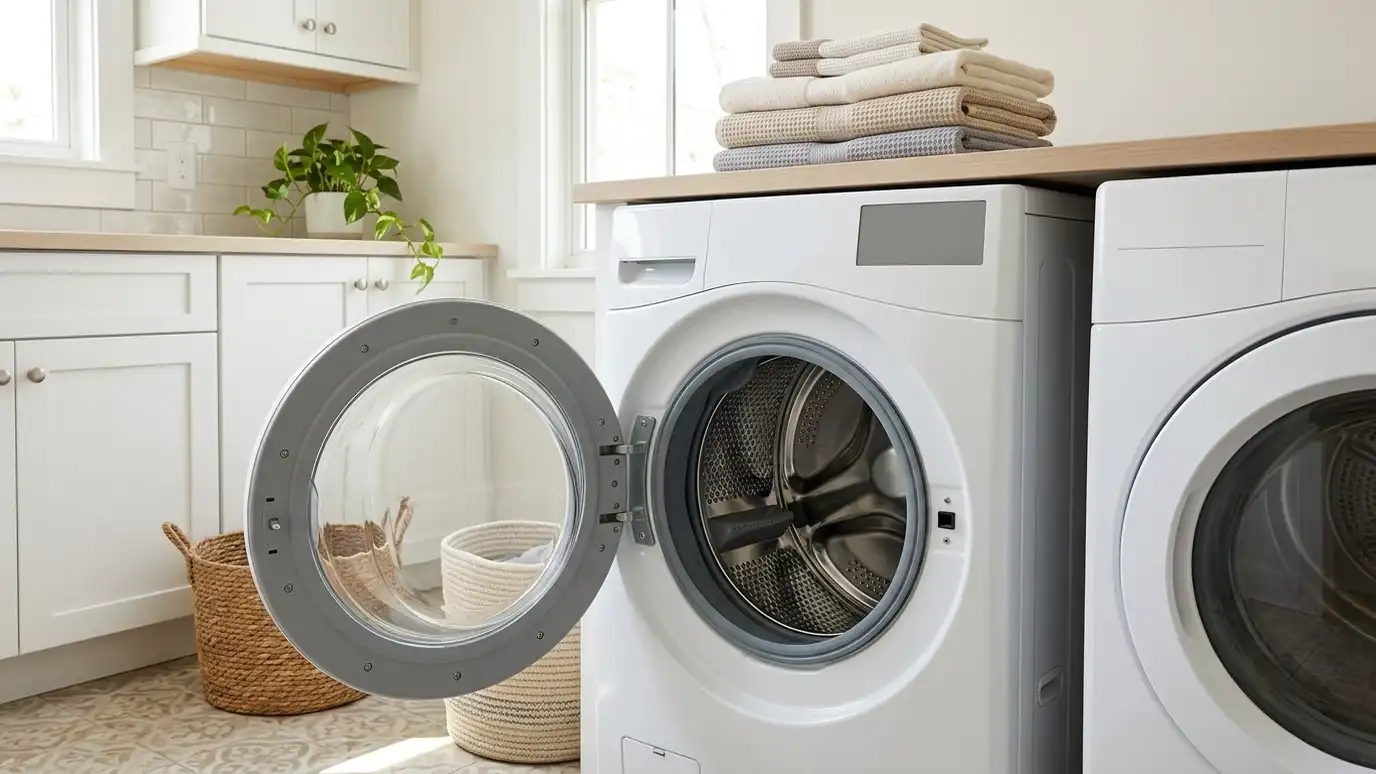 Front Load Washer RepairRepair for front load washers: door boot leaks and mold, drain pumps, bearings, door locks, suspension and error…Explore
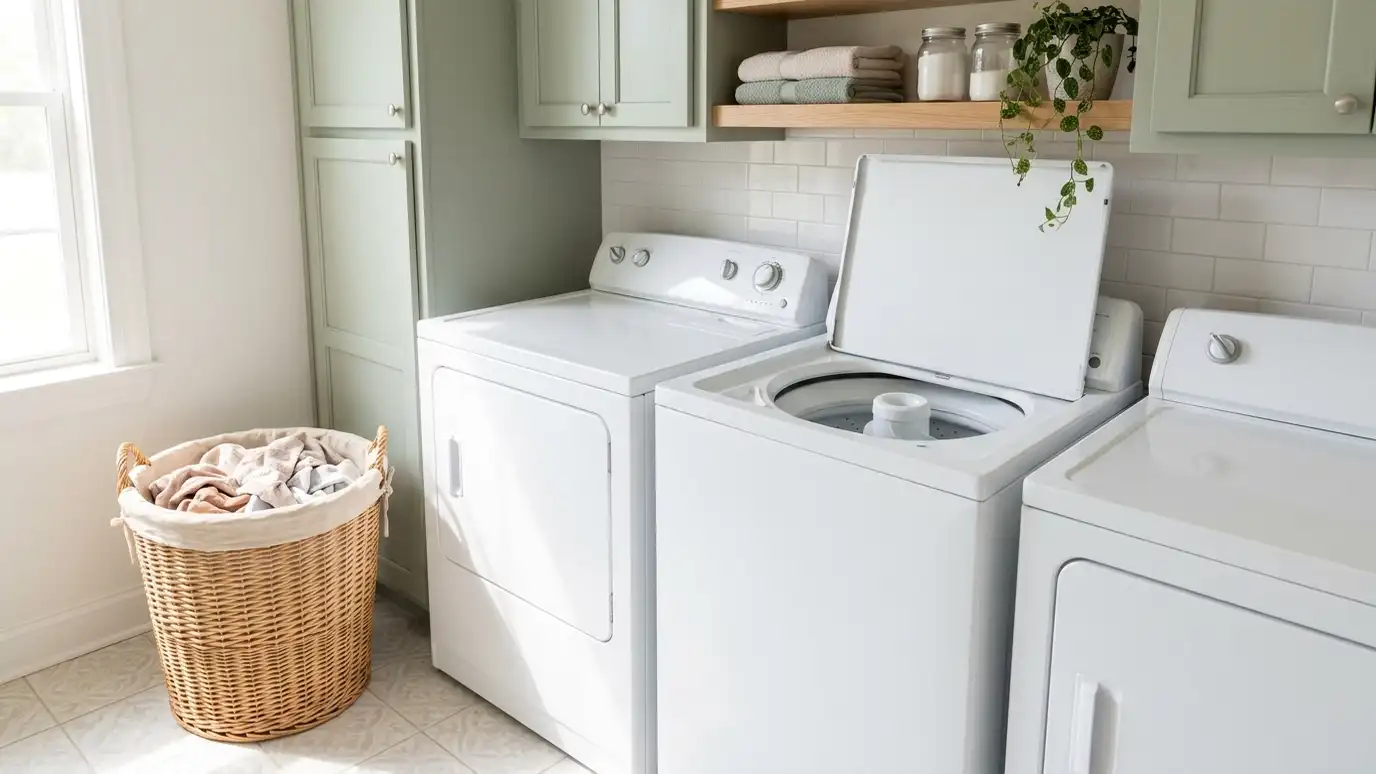 Top Load Washer RepairRepair for top load washers: agitator and impeller models, lid switches, transmissions, belts, drain pumps and inlet valves.Explore
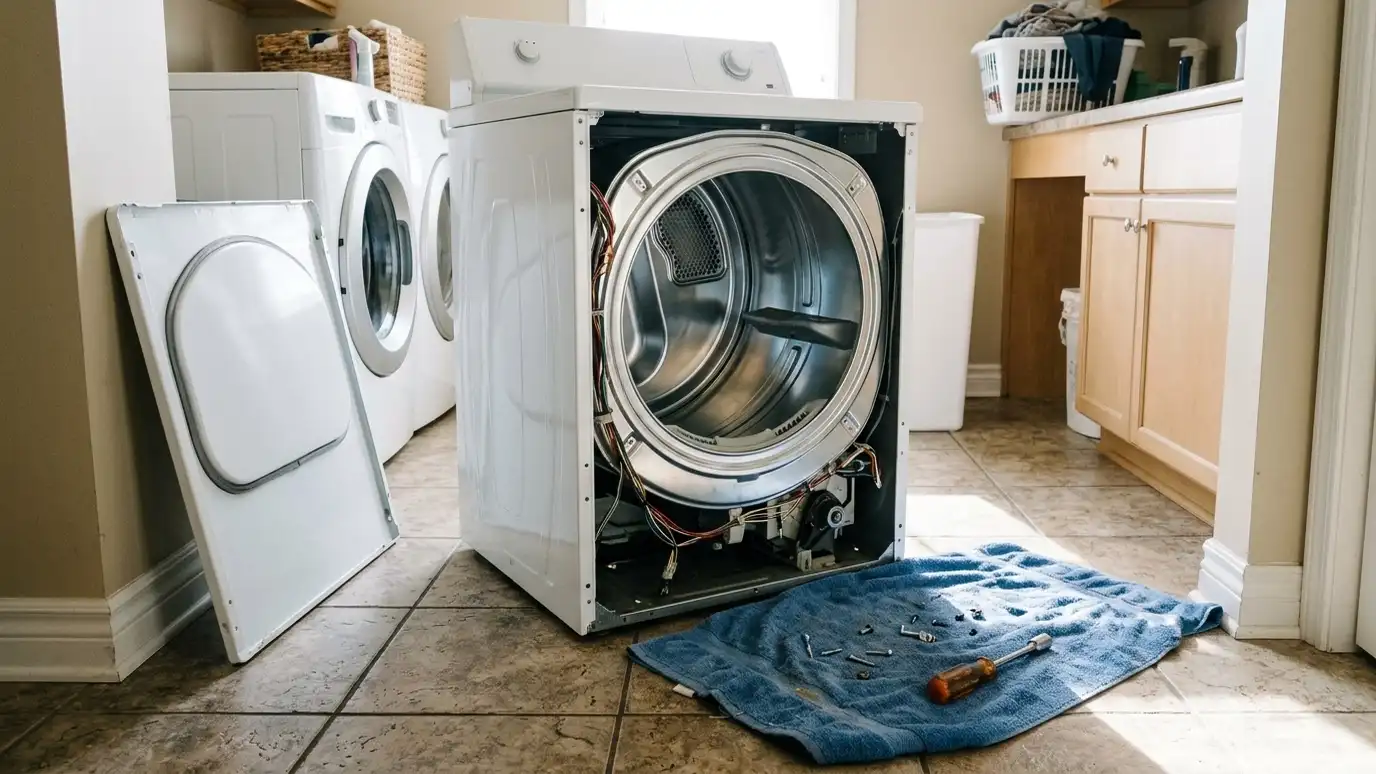 Dryer RepairRepair for dryers that will not start, heat, tumble, shut off early, make noise or take too long…Explore
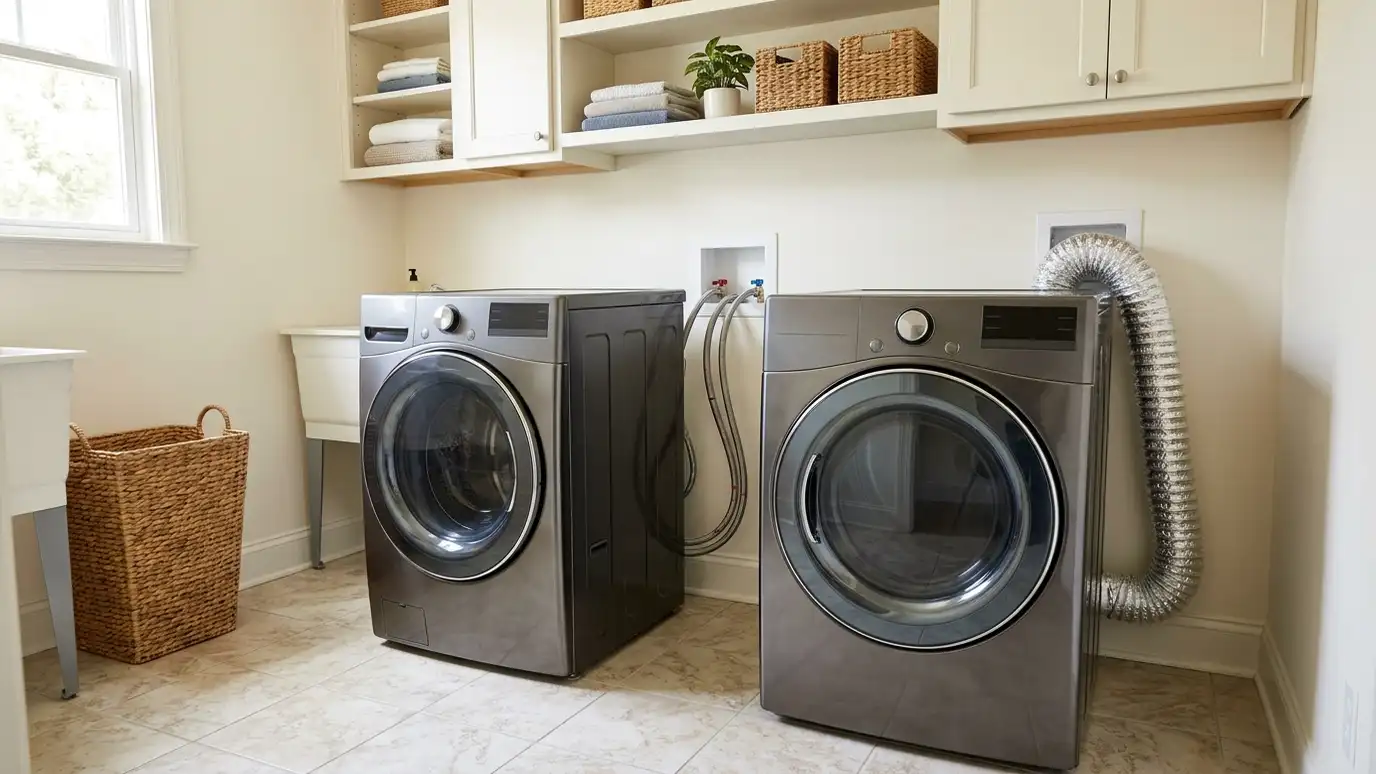 Washer and Dryer InstallationWasher and dryer installation: hoses, drain, electric or gas hookup, vent connection, leveling, stacking kits and pedestals.Explore
Tell us about your appliance and we will call you back to set up a visit.
Or call (615) 357-7797 to talk now.