Where the energy goes
Heating and cooling lead most bills, followed by water heating and then refrigeration, laundry and cooking. Appliances run in bursts or around the clock, and older ones usually use more.
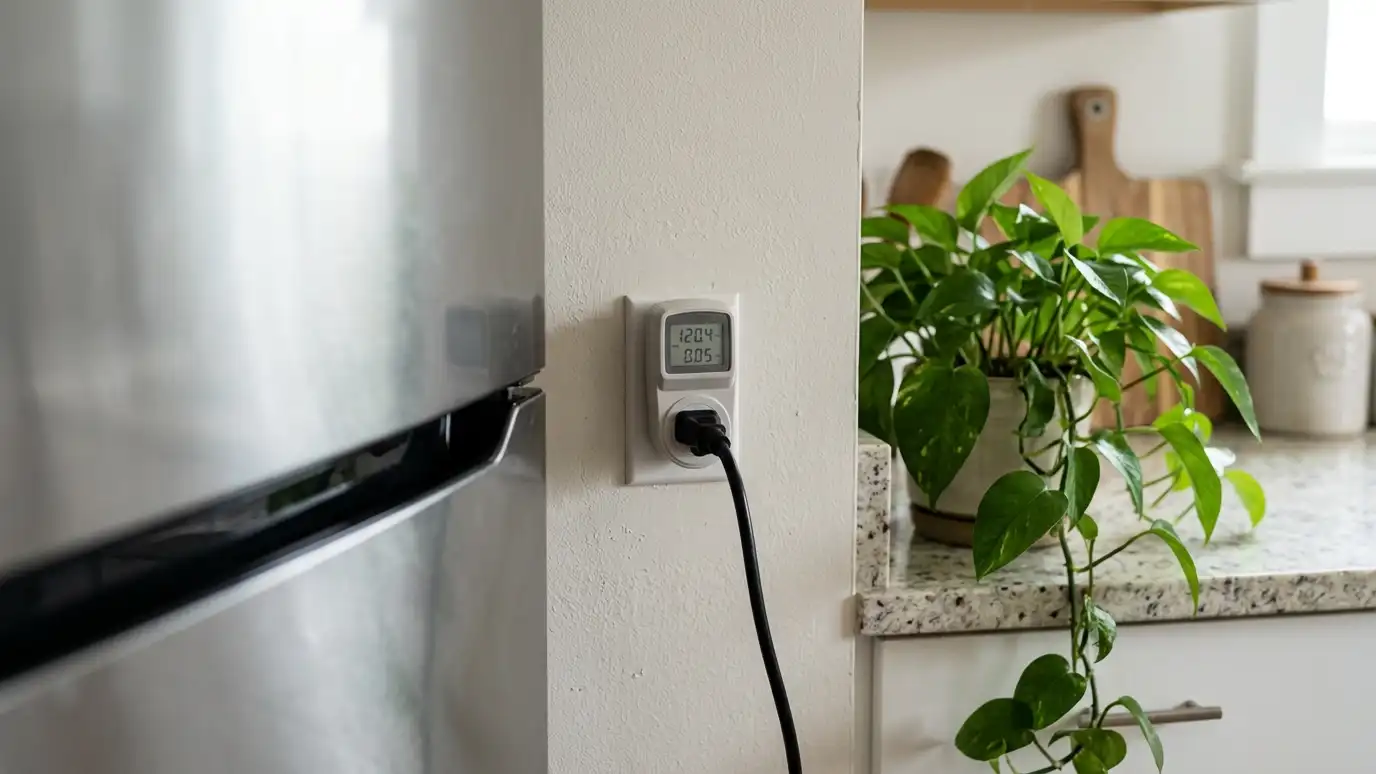
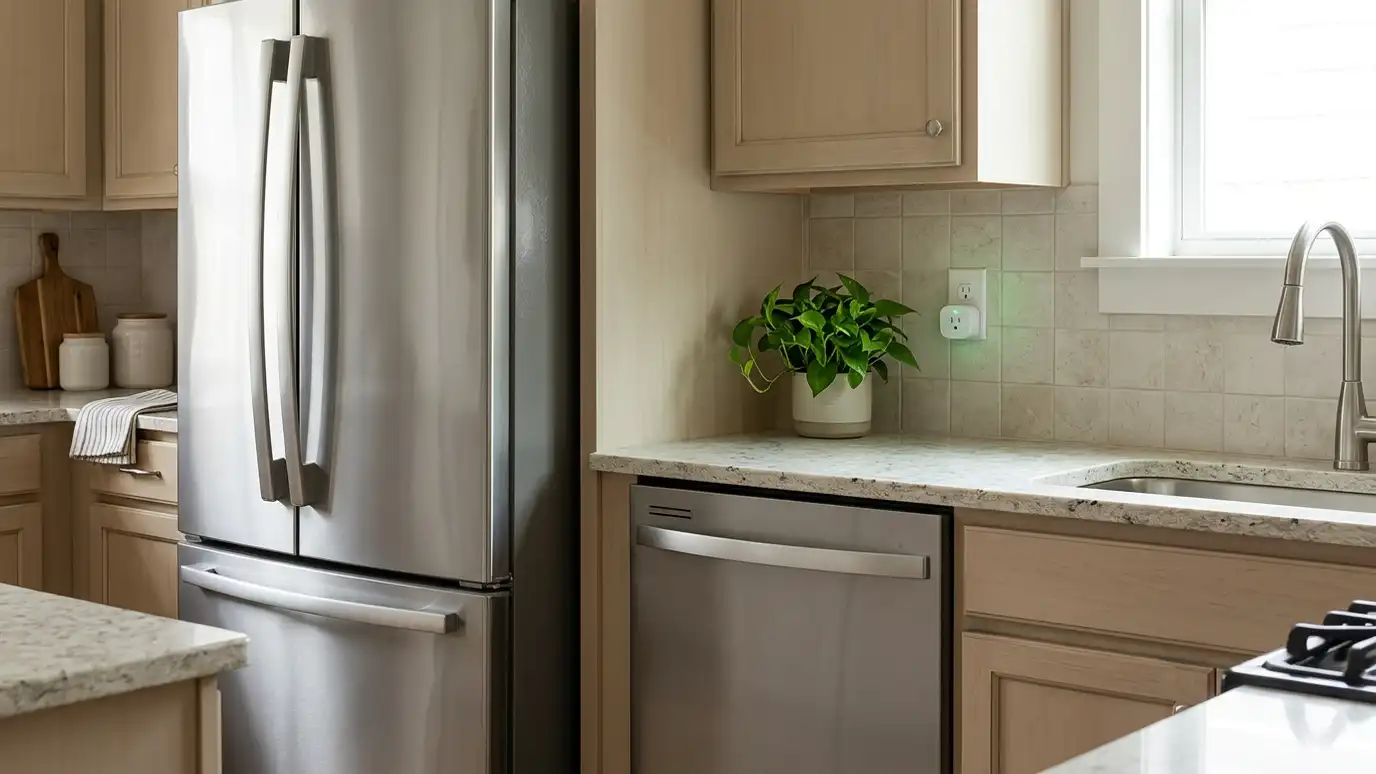
Check the yellow tags on new models and the plug-in meter on old ones to see the real numbers.
Start with the biggest users.
A quick household audit can be eye-opening. Walk through and list each major appliance, its age and whether it runs all day, in bursts or only occasionally. The biggest and oldest all-day users deserve attention first.
Refrigerators and freezers
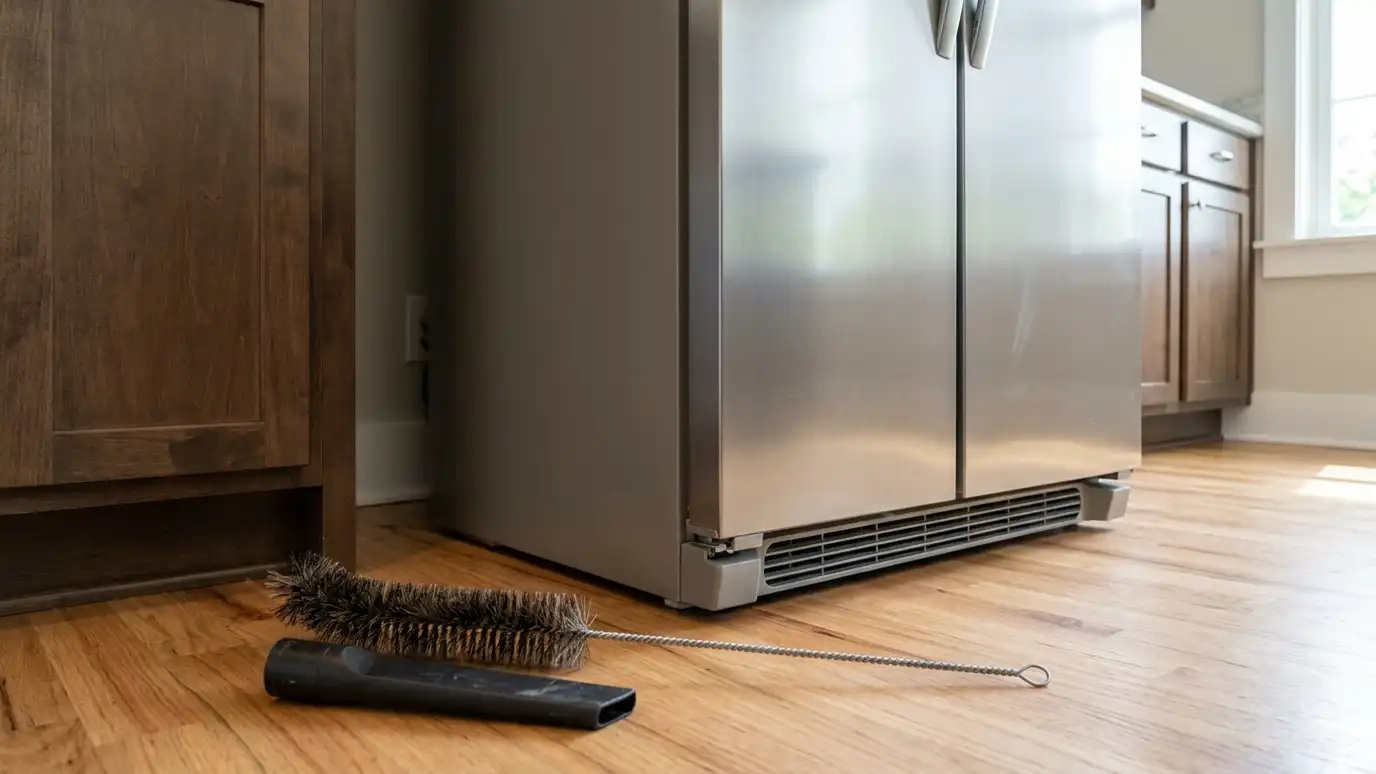
Keep coils clean, seals tight and the temperature near the recommended settings. Do not leave doors open and keep the freezer reasonably full.
Place the unit away from heat sources and give it room to breathe.
An old second refrigerator can be a surprising cost.
Do not forget the second refrigerator or the old freezer in the garage. Many households run an old unit just for drinks or overflow, and it can be one of the more expensive items on the bill.
Laundry
Wash full loads in cold water when possible and use the right detergent amount. Clean the dryer lint screen and vent so it runs shorter cycles. Use the moisture sensor setting.
A faster washer spin saves dryer time.
Line drying on nice days saves energy too.
Wash in cold when you can, but use a hot or warm cycle for sanitizing towels and bedding if you need to. Efficient laundry is about matching the cycle to the load, not about always using the lowest setting.
Dishwashers
Run full loads, use the eco cycle and skip pre-rinsing. Keep the filter clean so the machine works efficiently.
Use air dry when you can.
Hot water temperature matters, and water heater settings affect the result.
Skipping the heated dry on the dishwasher and cracking the door at the end of the cycle is a simple way to save energy, and rinse aid helps dishes dry well without extra heat.
Cooking
Match the pan to the burner, use lids, keep oven doors closed and use the microwave or a toaster oven for small jobs. Keep the oven door seal in good shape.
Induction and convection cooking use less energy for many tasks.
Use the right size oven rack arrangement.
Preheat only as long as the recipe needs, use the oven light instead of opening the door and turn the oven off a few minutes before the end to use residual heat.
Water heating
Set the temperature to a sensible level, insulate exposed pipes and fix leaks. Flush tank heaters and descale tankless units.
Consider a drain pan and a timer in vacation homes.
Low-flow fixtures cut hot water demand.
Lowering the water heater to a sensible temperature, wrapping exposed hot water pipes and fixing drips are modest changes that add up, especially for a house with a large family.
When replacement pays
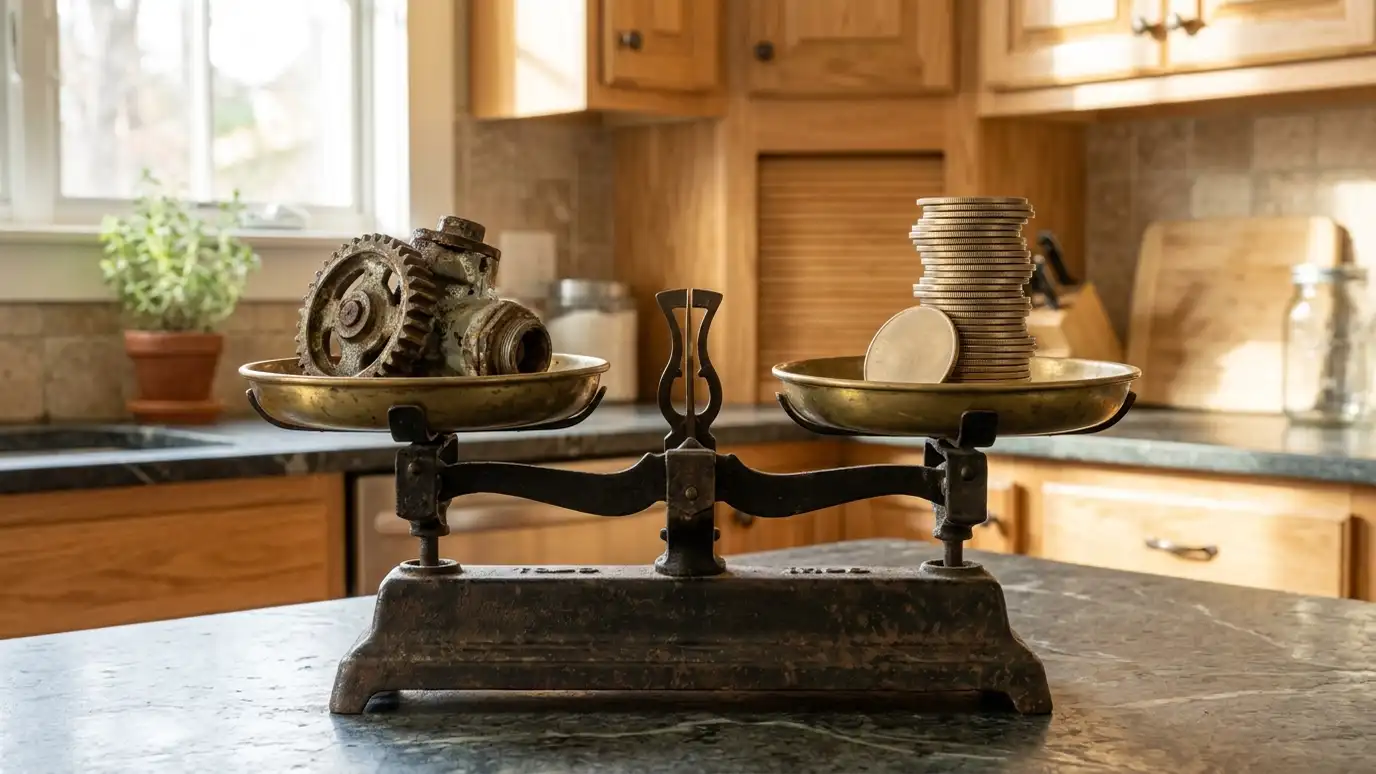
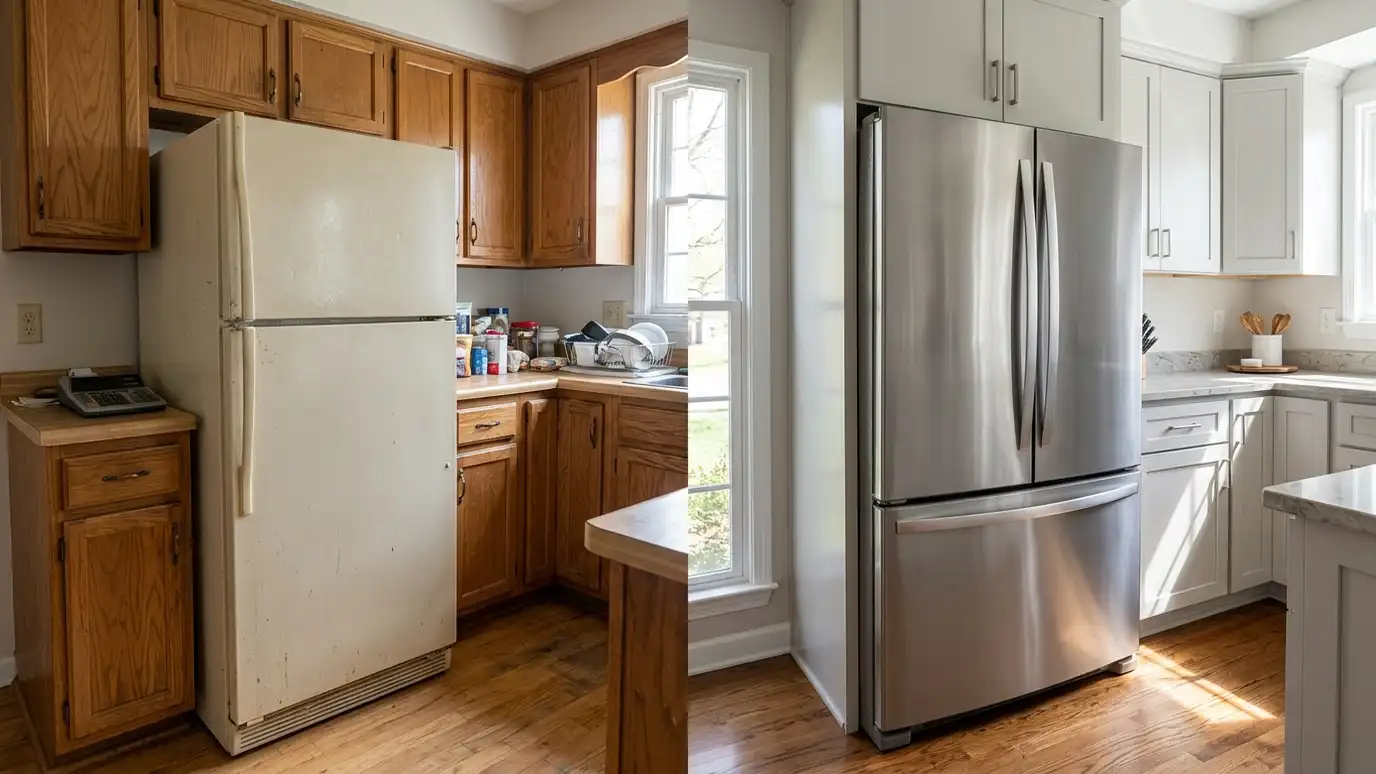
An old refrigerator, freezer or dryer may use enough extra power that a new one pays back some of its cost over time. Compare repair cost, replacement cost and the running cost difference.
Our energy tool helps estimate yearly use.
Efficiency is one factor among cost, features and your plans.
If you are considering replacement for efficiency, ask for the yellow guide tag and compare the yearly cost, not just the purchase price. Then add delivery and installation for an honest total.
Clean coils and vents, run full loads, set sensible temperatures and include running costs when you compare repair and replacement.