
Start with what you need
List the appliance, the brand, the symptom and how urgent it is. A warm refrigerator and a noisy dishwasher call for different timing, and the answer shapes the call.
Decide whether you want a repair, an installation or advice on repair versus replacement. Many companies do all three, and some do only one.
Check whether the company serves your area and the type of appliance you own, including built-in or specialty models.
Write down the one outcome you most want, whether that is a quick fix before guests arrive, a clear answer on repair or replace or a long-term maintenance partner. It makes it easier to judge which company fits your situation.
Ask how they diagnose
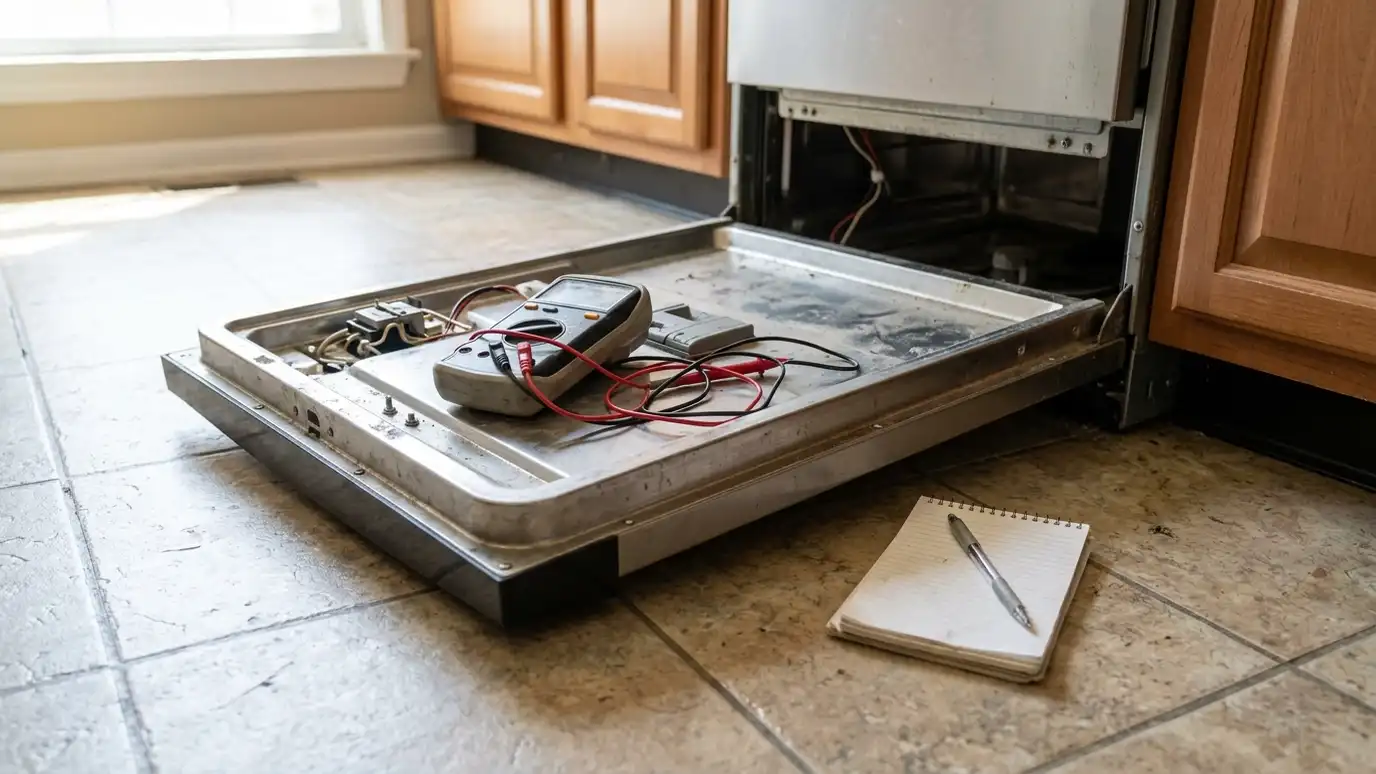
A good company explains that it tests the appliance before replacing parts. Ask what tools and checks it uses and whether it reads error codes.
Be cautious of anyone who names a part over the phone without asking about the model and symptoms. Guessing wastes money.
A clear description of the process is a good sign of careful work.
A good technician will describe the steps in plain words: interview, inspection, tests, cause and options. If the explanation is full of jargon with no clear steps, that is a reason to ask more questions.
Ask what is in the estimate
The estimate should name the problem, the part, the labor and the timing, and it should be in writing before any repair begins.
Ask about any visit charge and what happens if you decide not to repair. A company that explains these up front is easier to trust.
Compare the full plan, not just the number.
Ask for the estimate by email or text so you have it in writing. When you compare, line up the same items: diagnosis, parts, labor, timing and any follow-up, so you are comparing like with like.
Ask about parts and timing
Parts should be matched to your model and serial numbers. Ask whether the company carries common parts and how long special orders take.
Ask what happens if a part does not solve the problem or arrives wrong. Clear answers show a company that stands behind its work in practice.
For urgent repairs, ask for an honest arrival time.
It is fair to ask whether the company carries common parts, how long special orders take and how they handle a part that arrives wrong. Calm, specific answers show experience.
Look at communication
How the company talks to you before the visit tells you how the visit will go. Do they answer the phone, explain clearly and respect your time?
Look for clear scheduling, a technician who explains in plain words and a tidy approach to your home.
Reviews and references help, but your own phone call is the best test.
Pay attention to small courtesies: returning calls, arriving in the window, wearing shoe covers and cleaning up. They are easy to see before the visit and predict how the visit will go.
Red flags
Pressure to decide on the spot, vague answers about cost, refusing to put a plan in writing and replacing parts without testing are all reasons to pause.
Be careful of unusually low quotes that leave out diagnosis or use unmatched parts.
If a repair seems out of proportion to the age of the appliance, ask for a second opinion.
A technician who tells you honestly that an appliance is not worth fixing is often the one to trust with the next job. Pressure and vague answers are far worse signs than a higher price.
Making the decision
Choose the company that explains clearly, writes the plan and gives honest advice, even if it is not the lowest number. A repair done right once costs less than one done twice.
Keep the written plan and the invoice for your records.
If you are comparing bids for several appliances or properties, our bid scorecard can help organize the decision.
Keep a short file on every appliance and every company you hire. If you manage rentals or a business, that file helps you see which equipment costs the most to keep running.
Hire the company that tests before replacing, writes the plan down and gives honest repair or replace advice.