Before you buy
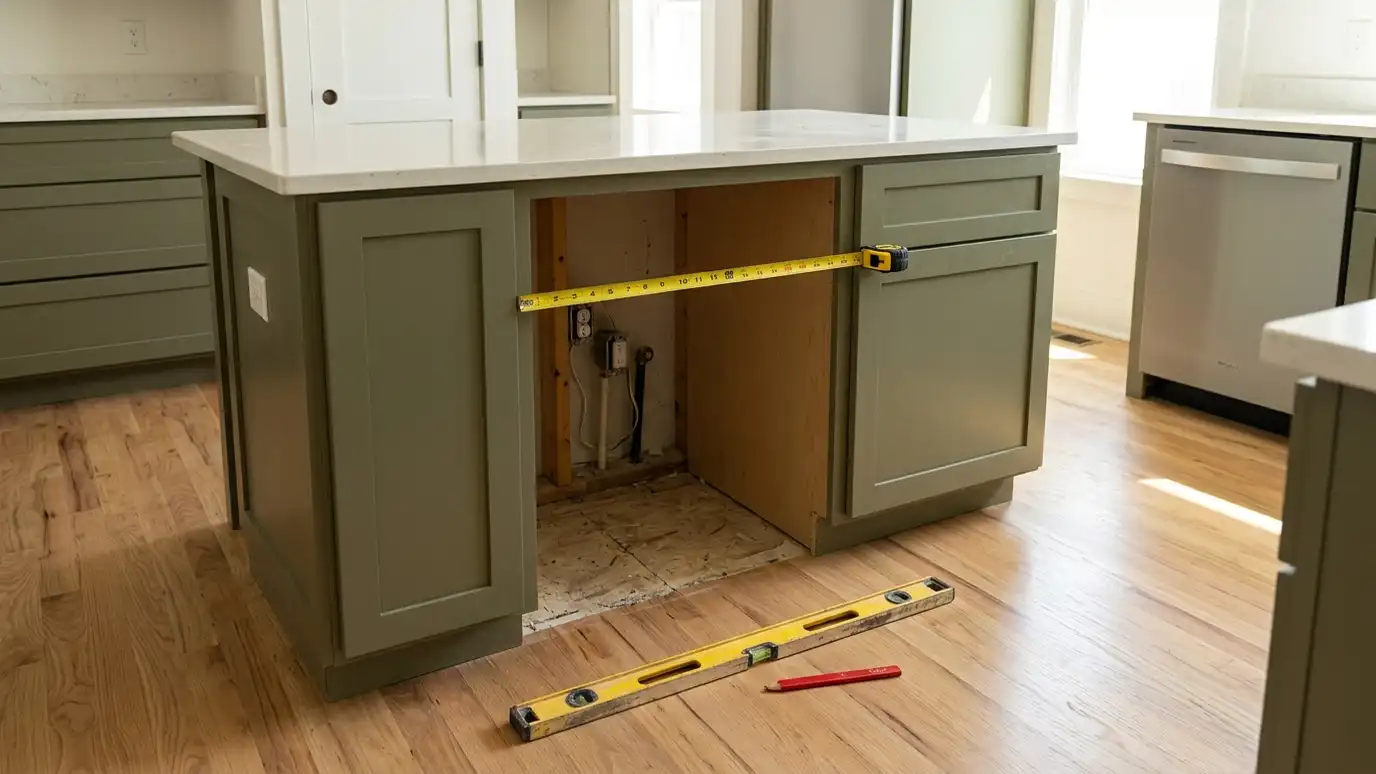
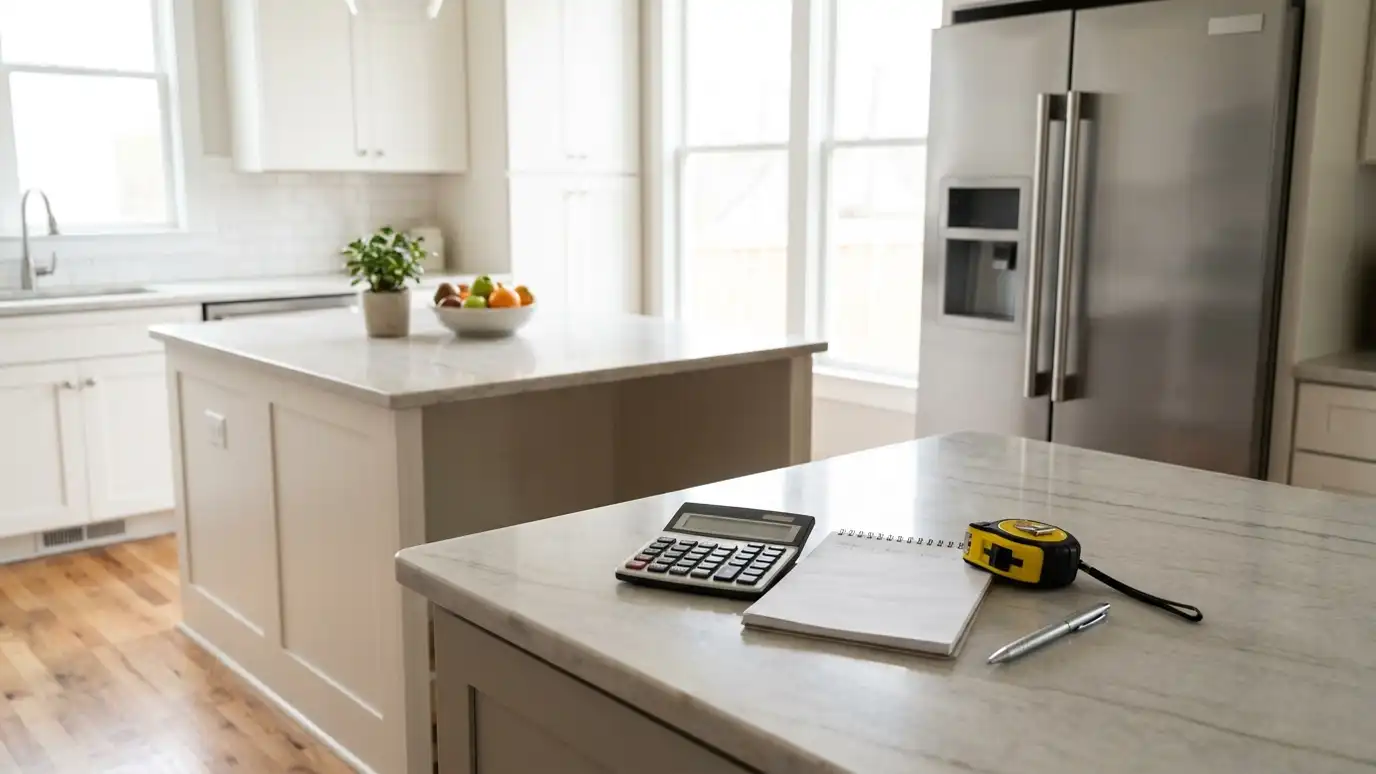
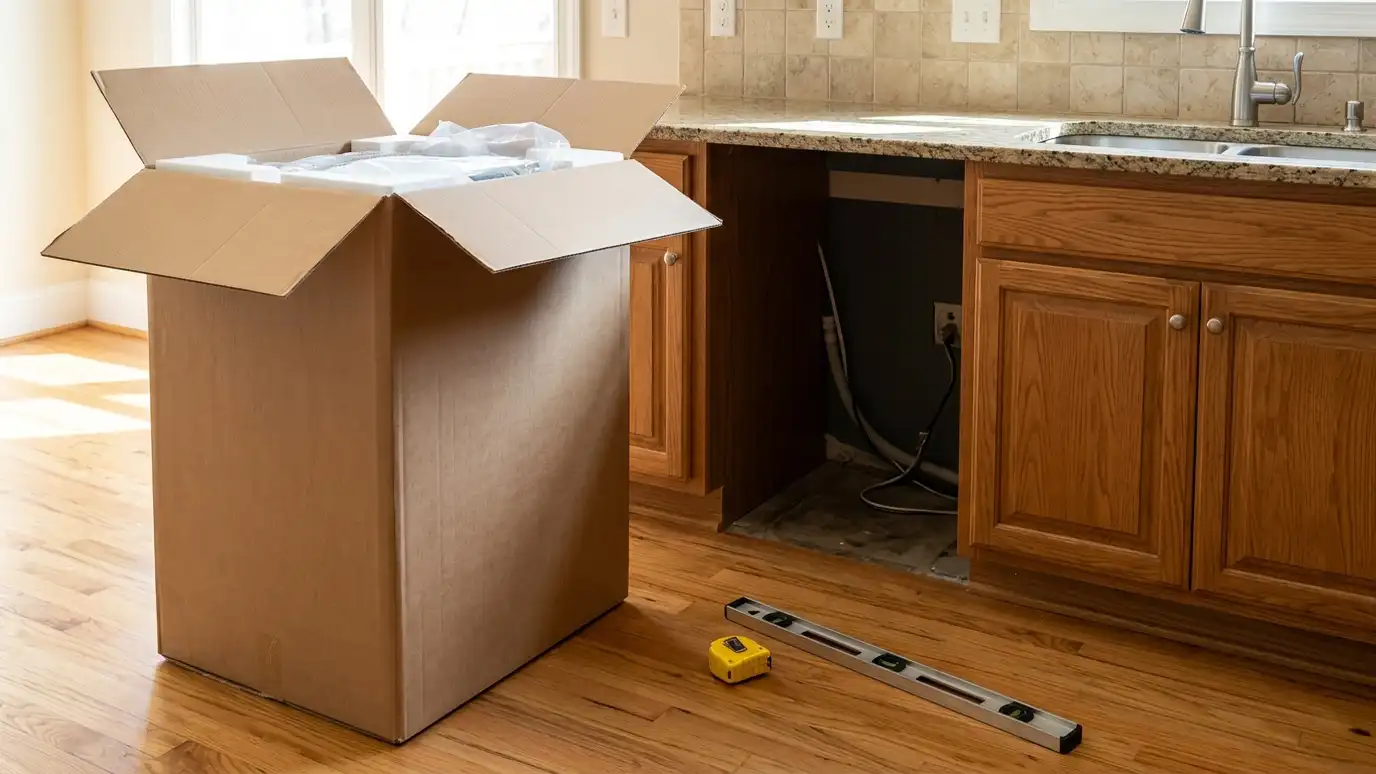
Measure the opening, the doorways and the path, and write down the model of the old appliance. Check the fuel type, the voltage, the water line and the drain.
Read the installation sheet for clearances. Counter-depth and built-in appliances have specific needs.
Ask whether delivery includes hookup. Many stores only set the box in the room.
Photograph the old appliance, its connections and the label before it comes out. The pictures help you and the installer check the new appliance against what was there.
Before delivery day
Clear the path, empty the old appliance and make sure shutoff valves and outlets work. Take photos of the connections.
Confirm the date and a time window and tell your installer about stairs and tight turns.
If you need a new circuit, a gas line or plumbing, schedule the right trade first.
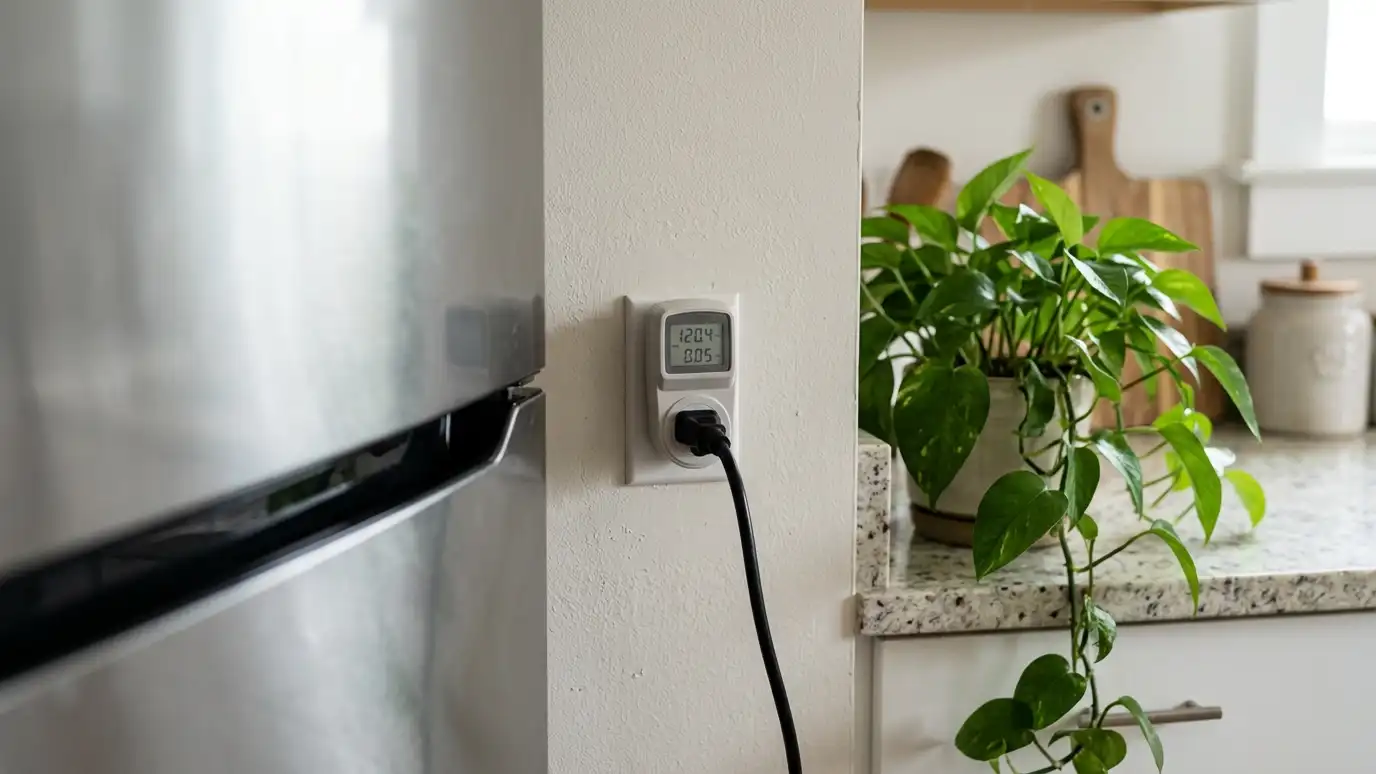
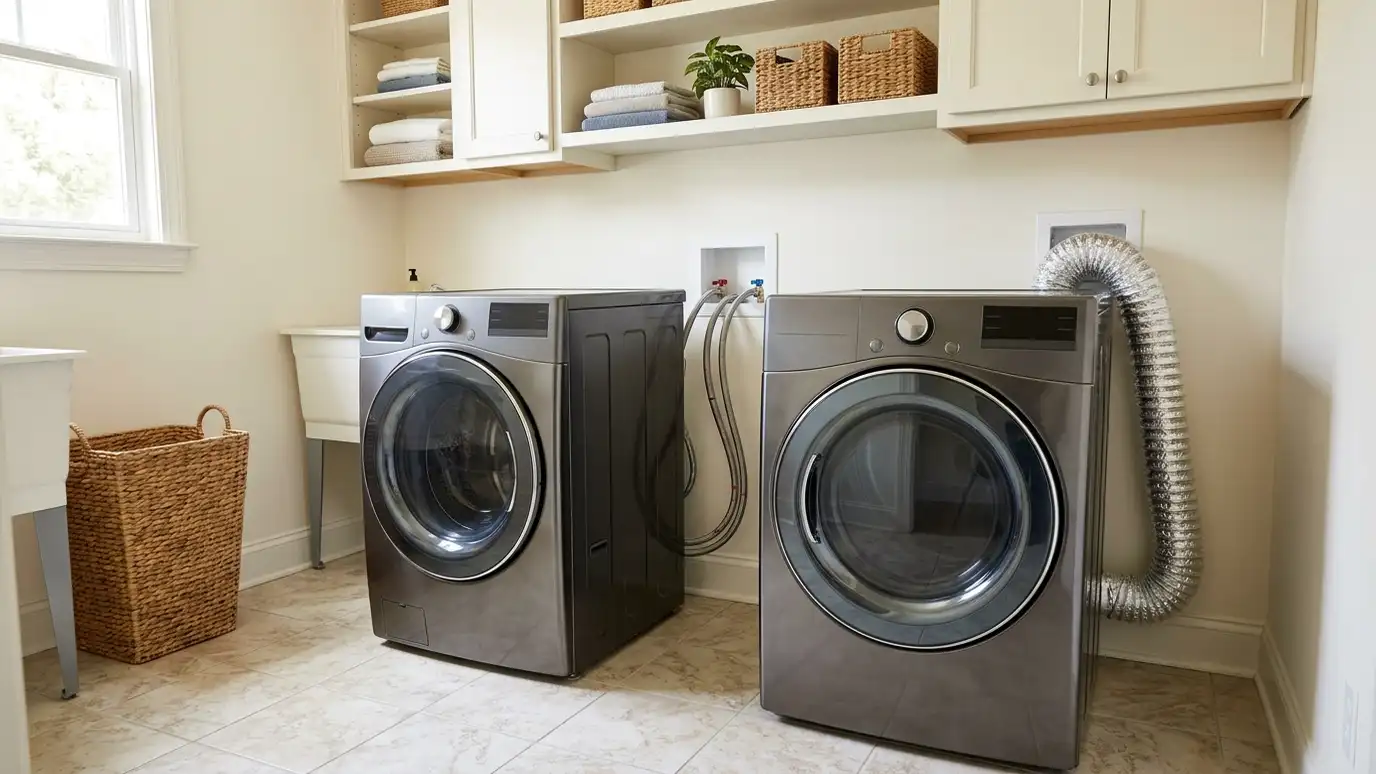
Confirm the voltage, plug type and gas or water connections in the installation sheet. A 240 volt dryer with the wrong plug or a refrigerator with a missing water line is a common delivery-day surprise.
Disconnect and remove
The old appliance is shut off and disconnected, water lines capped and gas shut at the valve. Floors and walls are protected.
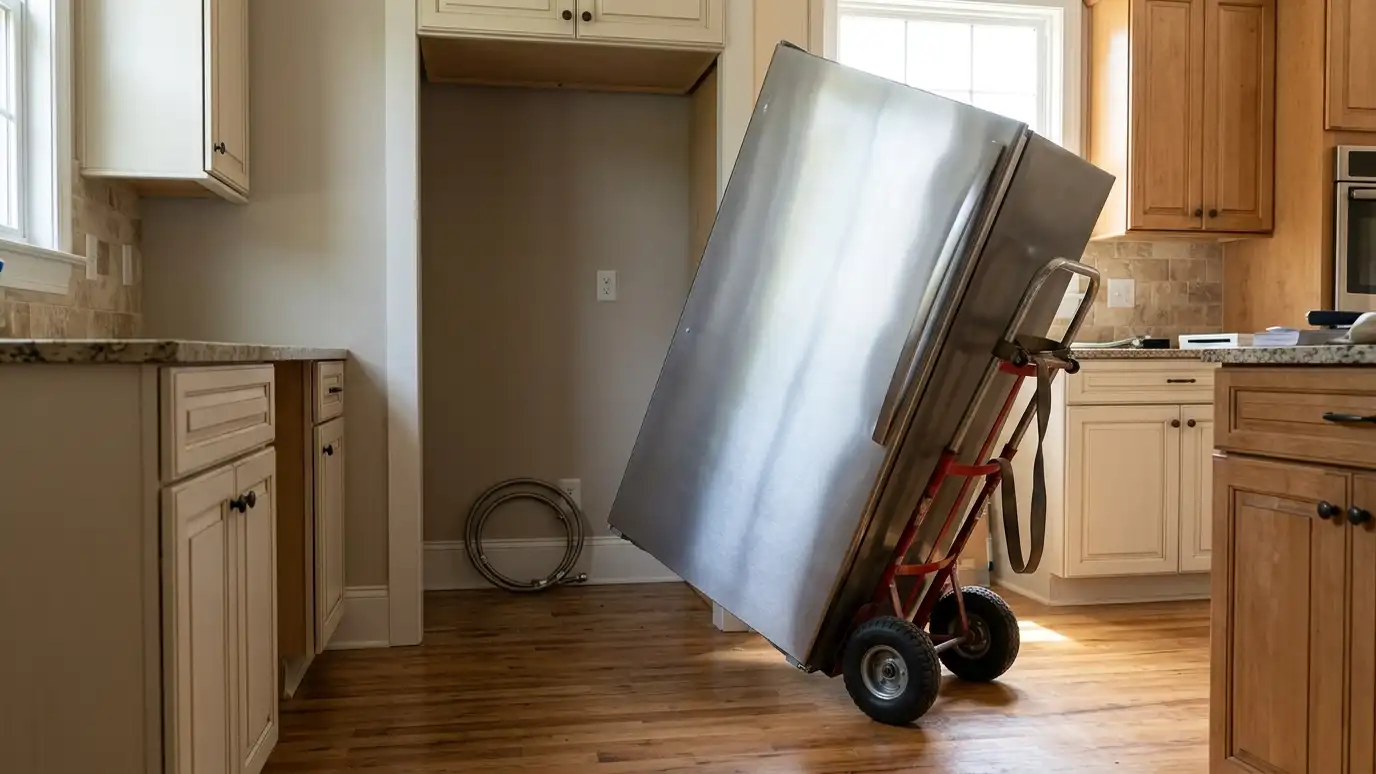
Heavy units are moved with a dolly and padding.
If you want the old unit hauled away, say so in advance.
Plan where the old appliance goes. If you do not need it, ask the installer to haul it away, and if you want to donate it, tell us in advance so we can plan the pickup.
Connect and secure
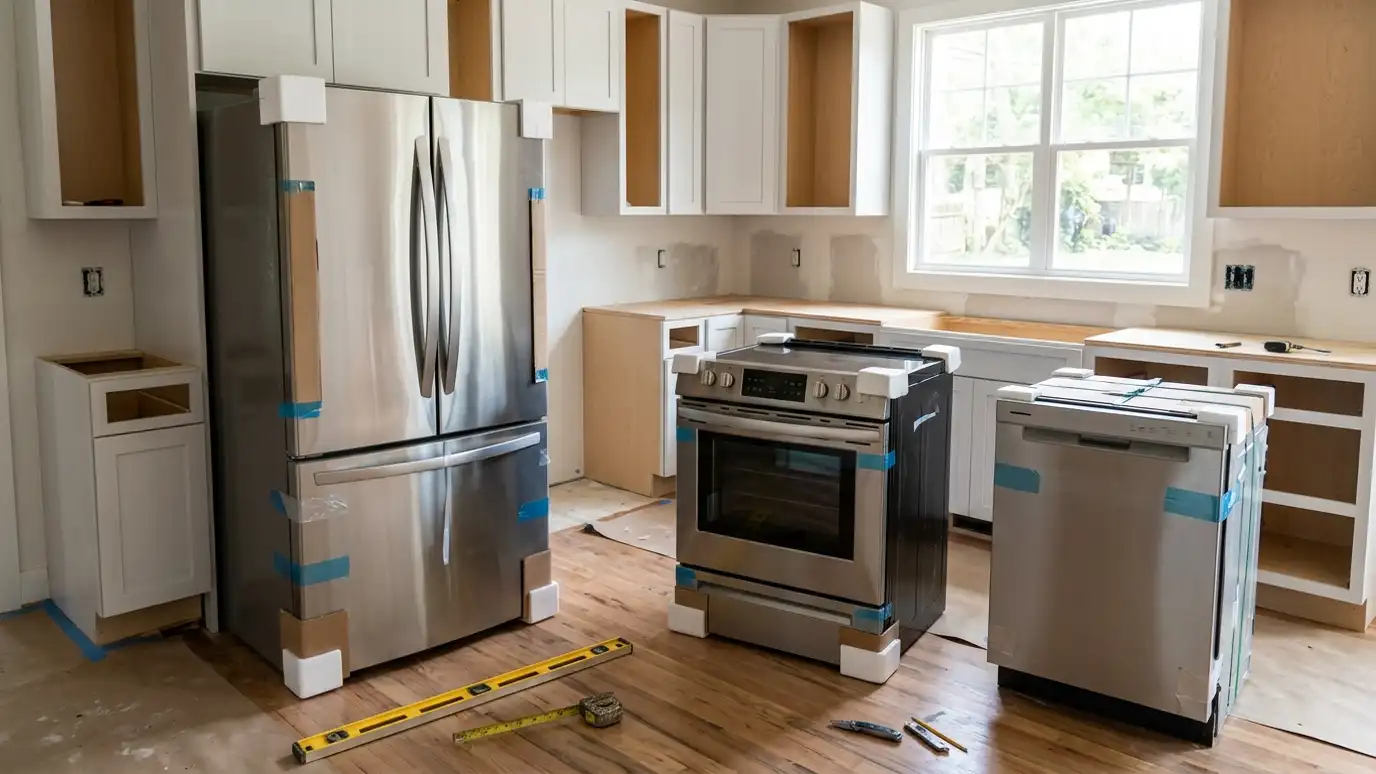
New hoses, cords, kits and brackets are installed, with leak tests for water and gas. Ranges get anti-tip brackets and dishwashers are anchored under the counter.
Dryers are connected to a short, straight vent.
Every connection is checked before the unit is slid into place.
Ask the installer to show you the shutoff valves, the breaker for the appliance and the filters you will need to clean. A two-minute tour saves a lot of future confusion.
Level and adjust
Appliances are leveled so doors close, drains work and noise stays low. Doors and handles are adjusted and shipping bolts and packing are removed.
Clearances are checked for airflow.
A level, stable machine lasts longer.
A level appliance is a quiet, long-lived appliance. If a washer or refrigerator seems to rock, ask for a recheck, because floors settle and feet need small adjustments.
Test and teach
We run a cycle, check for leaks and heat or cooling and show you the controls. We also leave any manuals and note the first service steps.
Ask questions while the installer is there.
Keep the paperwork and take photos of the finished hookups.
Keep the manuals, the installation sheet and the receipt together. If a problem appears in the first month, you will want them, and a quick call to your installer is easier with the details in hand.
After the install
Watch for leaks and noises over the first few days. Clean up packaging and recycle it. Register the appliance if you like and keep the model and serial numbers.
Call us if anything seems off.
Consider a tune-up after a year.
Schedule a short check after the first week or month for anything that was moved, such as water lines and vents. A quick look for drips or heat is inexpensive insurance.
Measure first, plan the hookups, insist on leak tests and level machines, and keep the paperwork.