Finds and fixes leaks from refrigerator water lines, inlet valves, filters, drain pans and clogged defrost drains before floors are damaged.
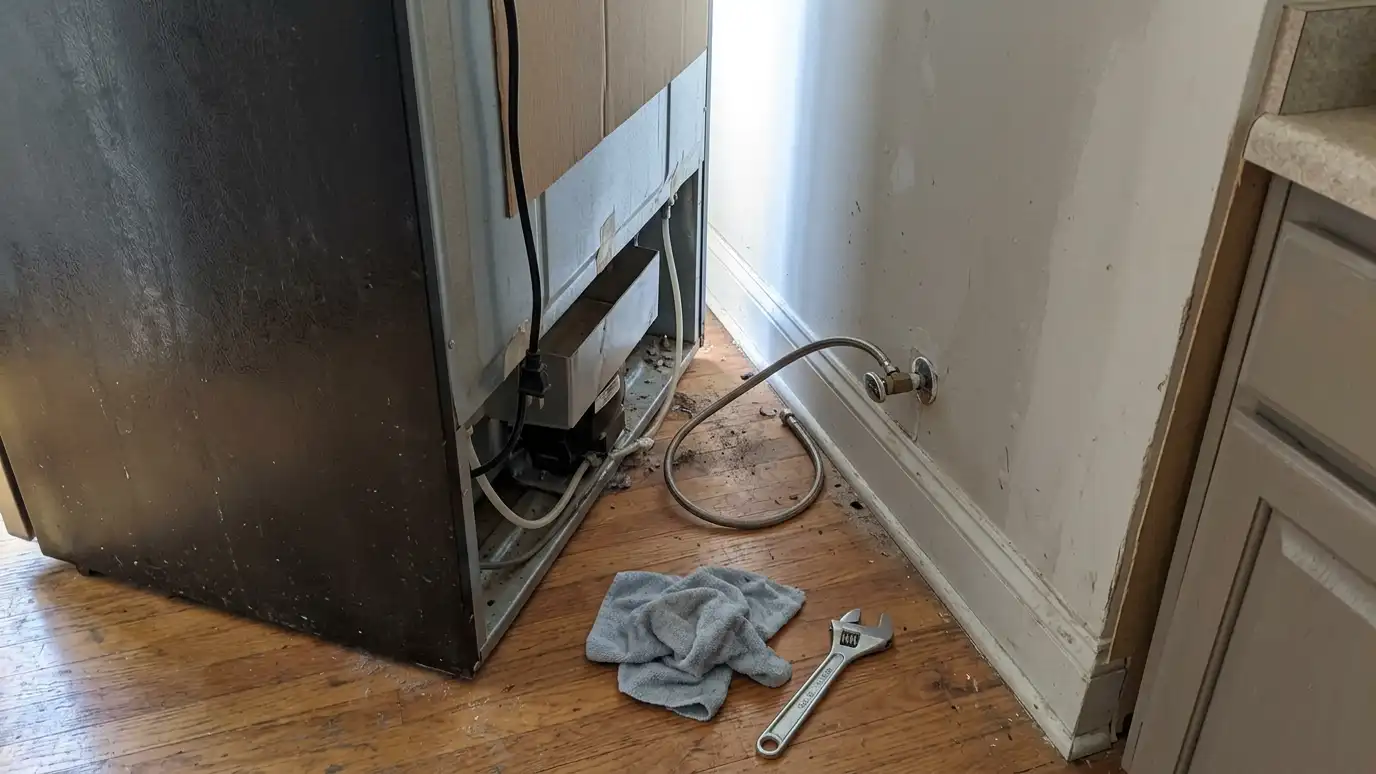
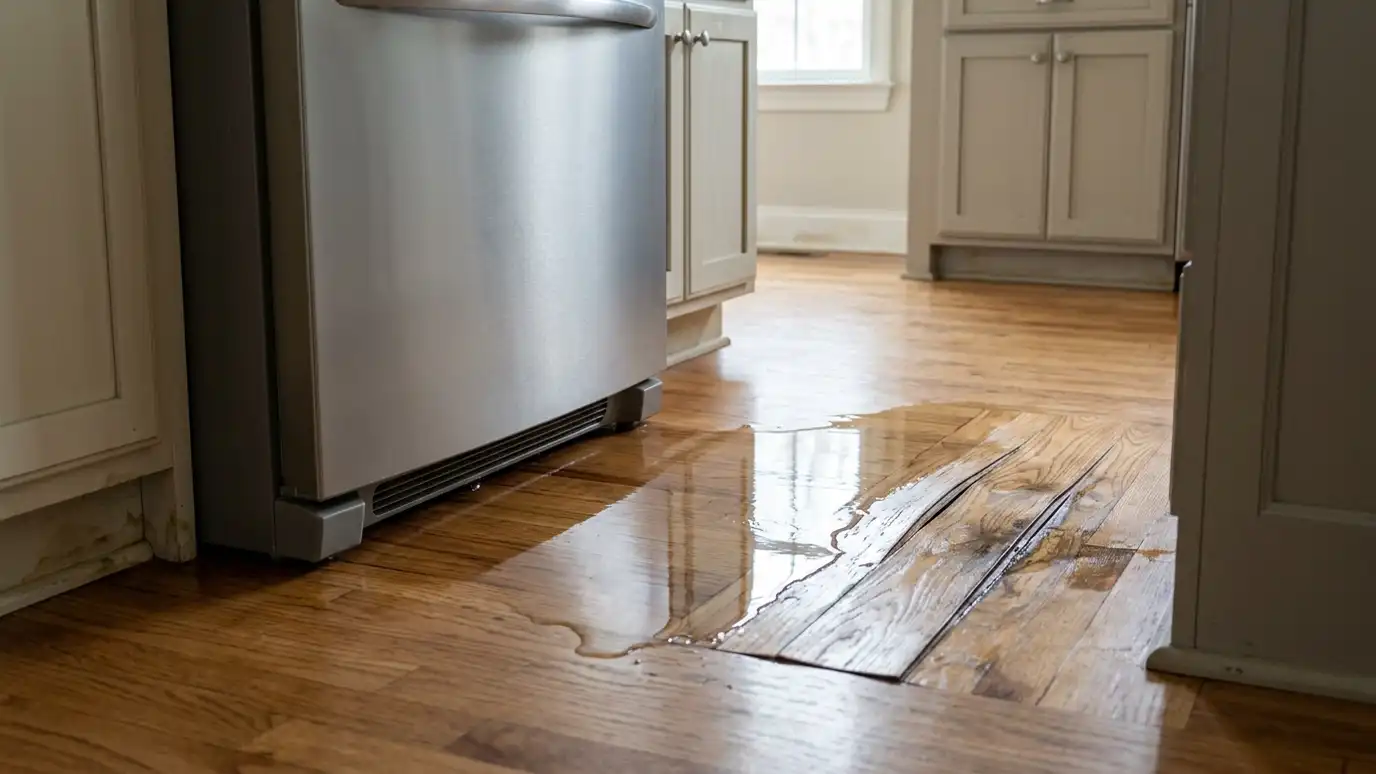
Water on the kitchen floor in front of the refrigerator is more than a nuisance. Left alone, it swells hardwood, lifts vinyl and stains subfloors, and leaks near the back of a fridge can stay hidden for weeks. In Nashville homes with hardwood kitchens and slab foundations, a small leak can become expensive quickly. The source is often simple: a loose fitting on the supply line, a cracked filter housing, a failing inlet valve or a clogged defrost drain that sends meltwater onto the floor.
We trace the leak from the wall valve to the ice maker and dispenser, checking the supply line, saddle valve, inlet valve, filter head, fill tube and drain pan. We also clear defrost drains and check door seals that cause condensation. After the repair we run a full ice and water cycle, dry the area and watch for drips, so you know the leak is really gone before we leave.
Old plastic lines, loose fittings and saddle valves are common leak points we replace with durable fittings.
Cracked housings and worn o-rings drip when pressure rises. We replace them and test.
A clogged drain sends water to the floor or into the bottom of the fridge, and it is cleared and tested.
We check the floor and the back of the unit for moisture so small damage is caught early.
Drag the handle to compare.
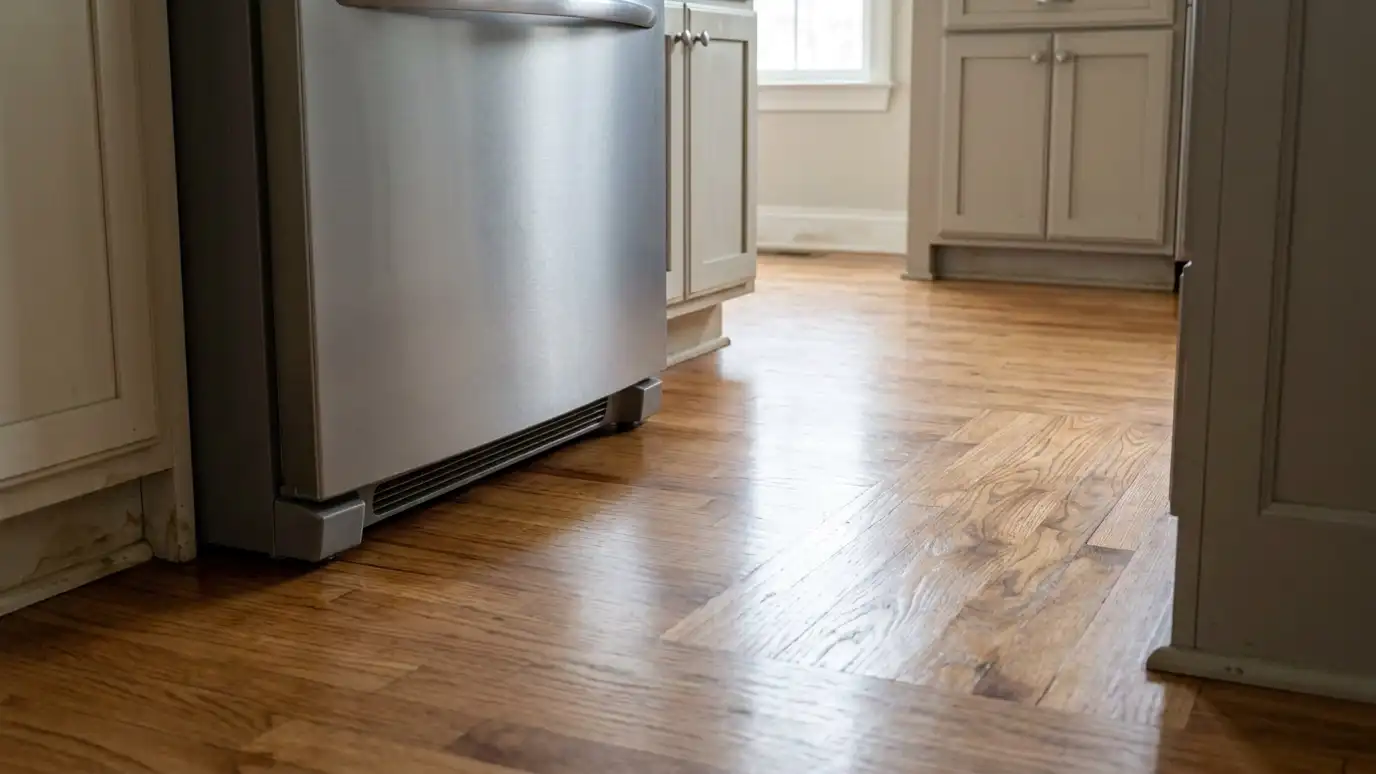
 BeforeAfter
Not a guess.
Replaced as needed.
Defrost water sent the right way.
Ice and water run before we leave.
Mats and towels used.
Shutoff tips for the future.
Every topic has its own page with what to expect and how we approach it.
 Topic guideRepair or Replace GuideA plain way to decide whether to fix an appliance or buy a new one, using age, repair…Learn more
 Topic guideAppliance Lifespan GuideTypical lifespans for refrigerators, ranges, washers, dryers, dishwashers and water heaters, and the habits that stretch them.Learn more
 Topic guideError Codes and Warning SignsWhat common error codes, noises, smells and symptoms mean and when to stop using an appliance and call…Learn more
Pick an appliance and tick what you see and hear to get likely causes, safety notes and the service page that fits.
You tell us the brand, the model and what the appliance is doing, and we give you early guidance and set a visit that fits your day.
A technician inspects the appliance, reads codes and tests parts with meters and gauges to find the real cause.
You get a plain written plan with the parts, the work and the cost, and honest advice on repair or replace.
We repair with parts matched to your model, or install the new appliance level, connected and secured.
We run the appliance through a full cycle, check for leaks and show you how it works before we leave.
We keep a record, answer questions and stay available if anything seems off after the visit.
Common sources are the supply line, inlet valve, filter housing, ice maker fill tube or a clogged defrost drain.
Yes. Close the wall valve behind or under the refrigerator and call us.
It can if it continues, so fix leaks early and dry the area.
Often yes, especially if it is old, kinked or brittle.
Yes, we test the ice maker and dispenser as part of the repair.
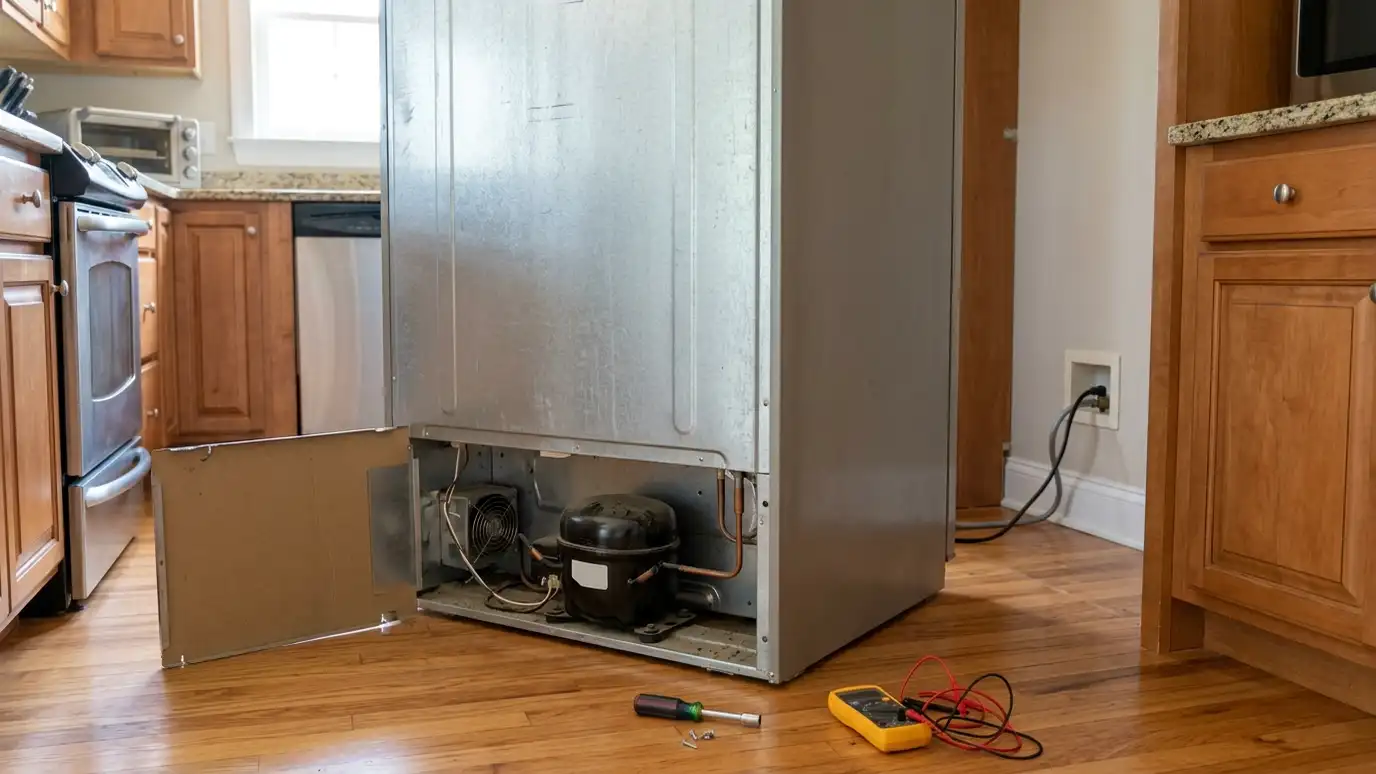 Refrigerator RepairDiagnosis and repair for refrigerators that run warm, run constantly, leak, frost up or make noise, on every…Explore
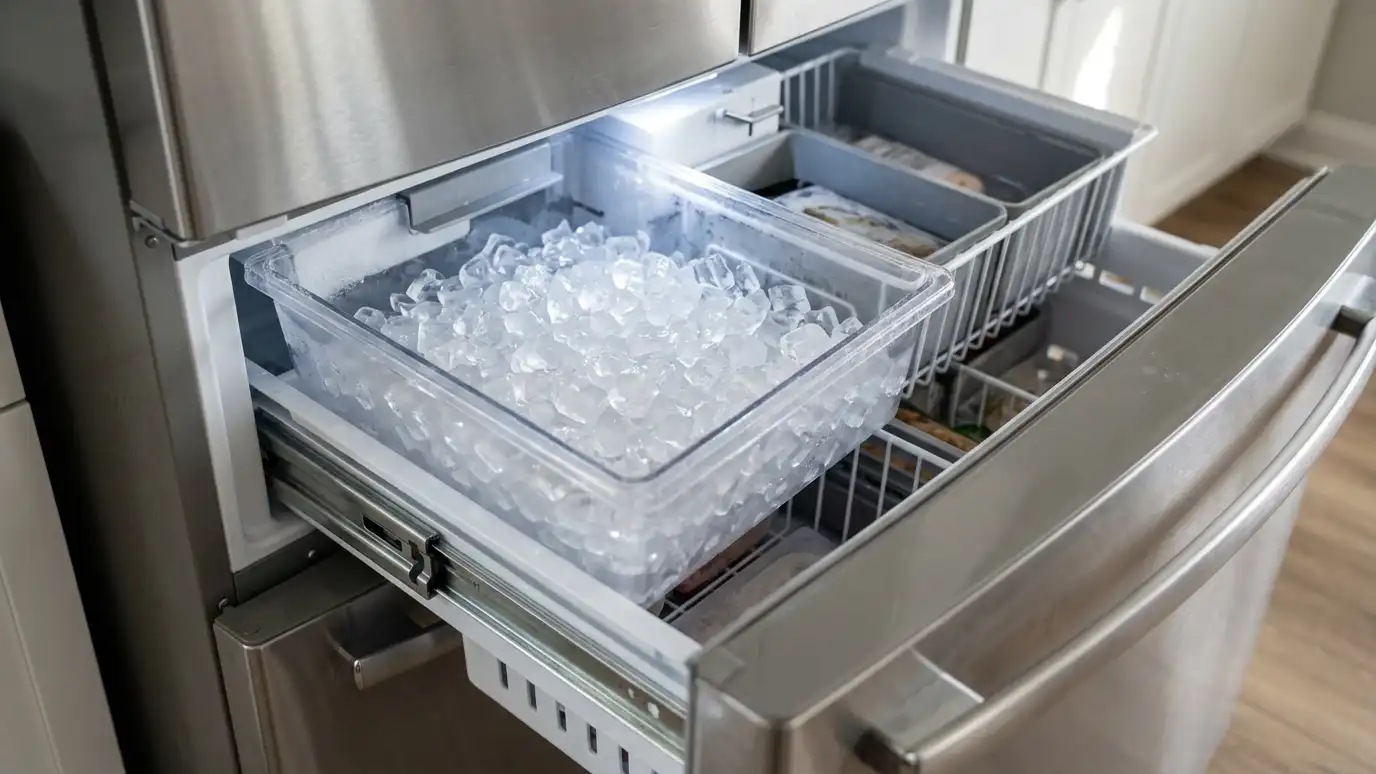 Ice Maker RepairRepair for ice makers that make no ice, small or hollow cubes, jams, leaks or noisy dispensers in…Explore
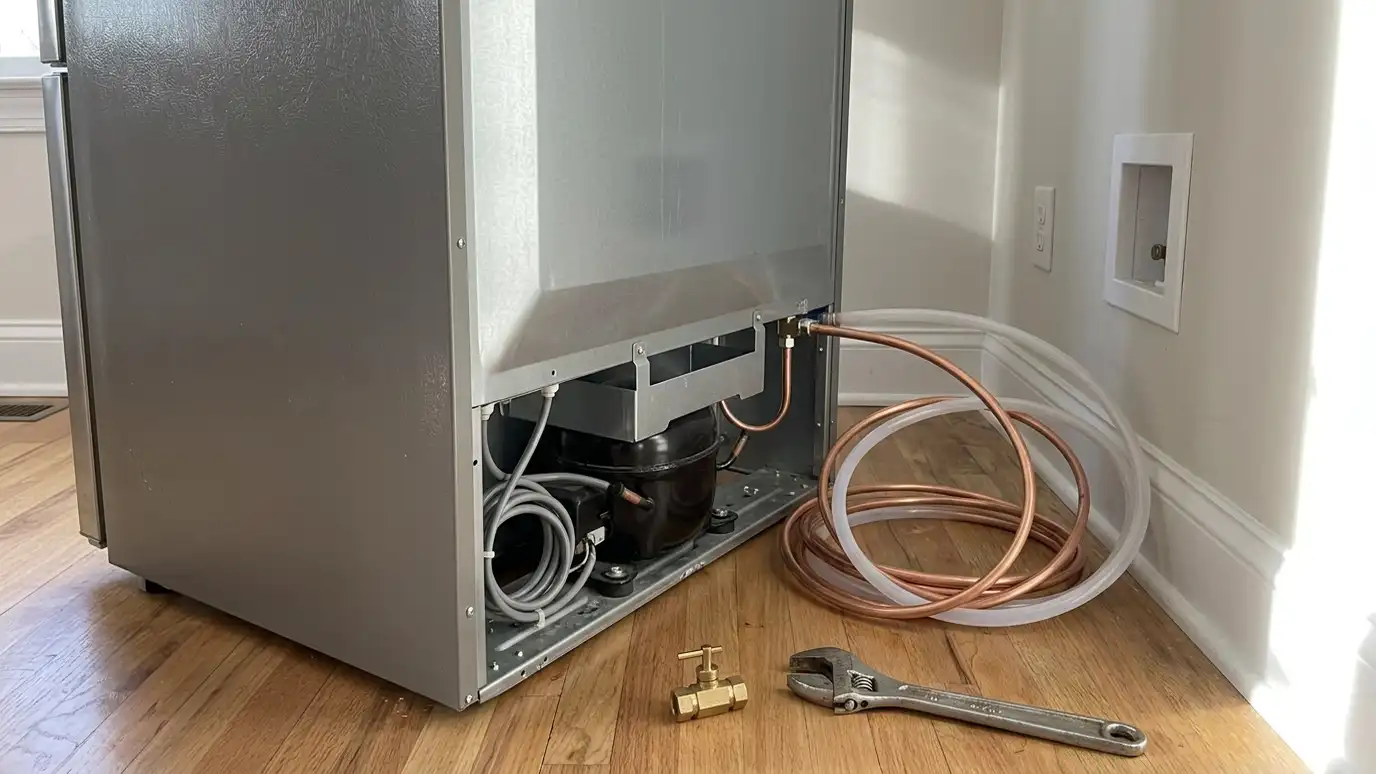 Ice Maker InstallationIce maker and water line installation for refrigerators and under-counter units: valves, lines, filters, drains and first-cycle testing.Explore
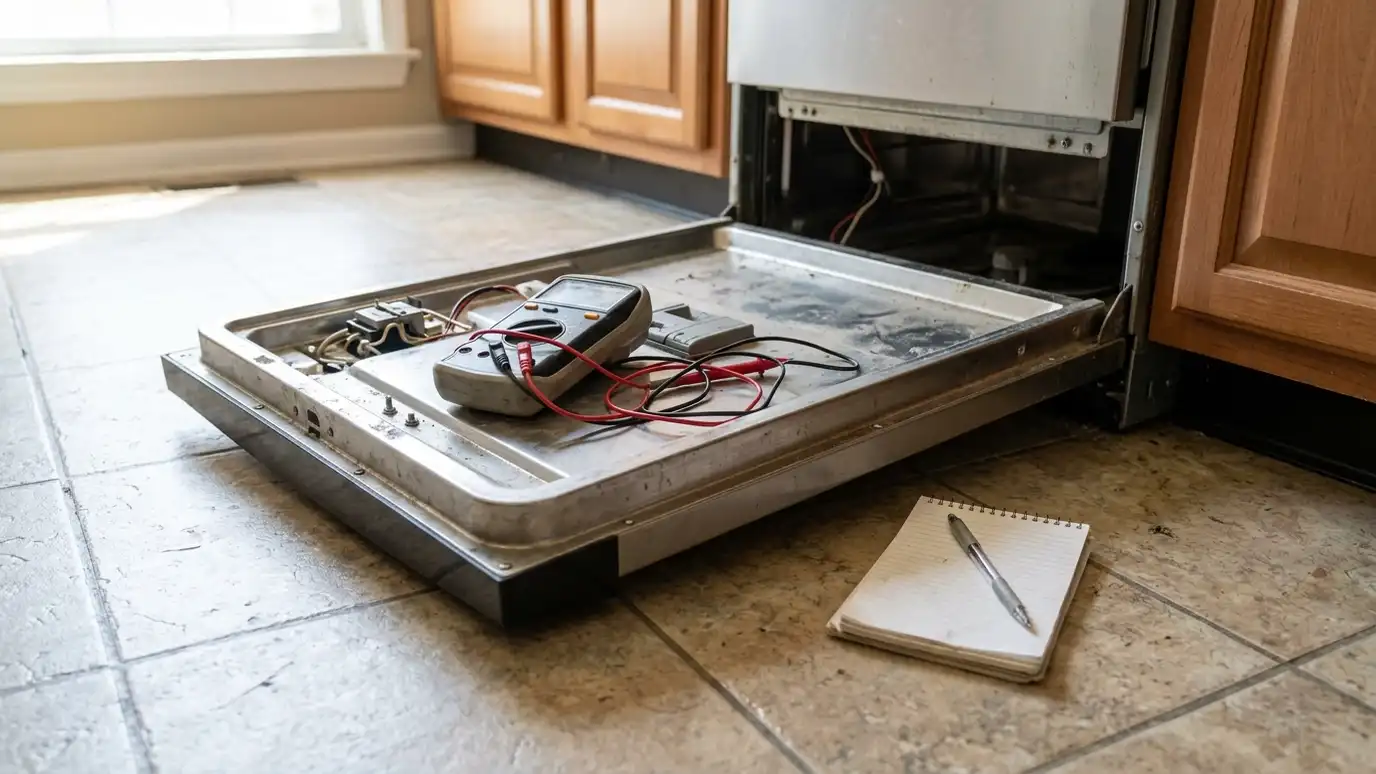 Appliance Diagnostic VisitA thorough in-home diagnosis of any household appliance, with the cause explained and a written repair plan.Explore
Tell us about your appliance and we will call you back to set up a visit.
Or call (615) 357-7797 to talk now.