Step one: know the age
Find the model and serial number labels, which usually show the year of manufacture. Compare the age with the typical life: refrigerators ten to fifteen years, washers eight to twelve, dryers ten to fifteen, ranges thirteen to twenty, dishwashers nine to twelve and tank water heaters eight to twelve.
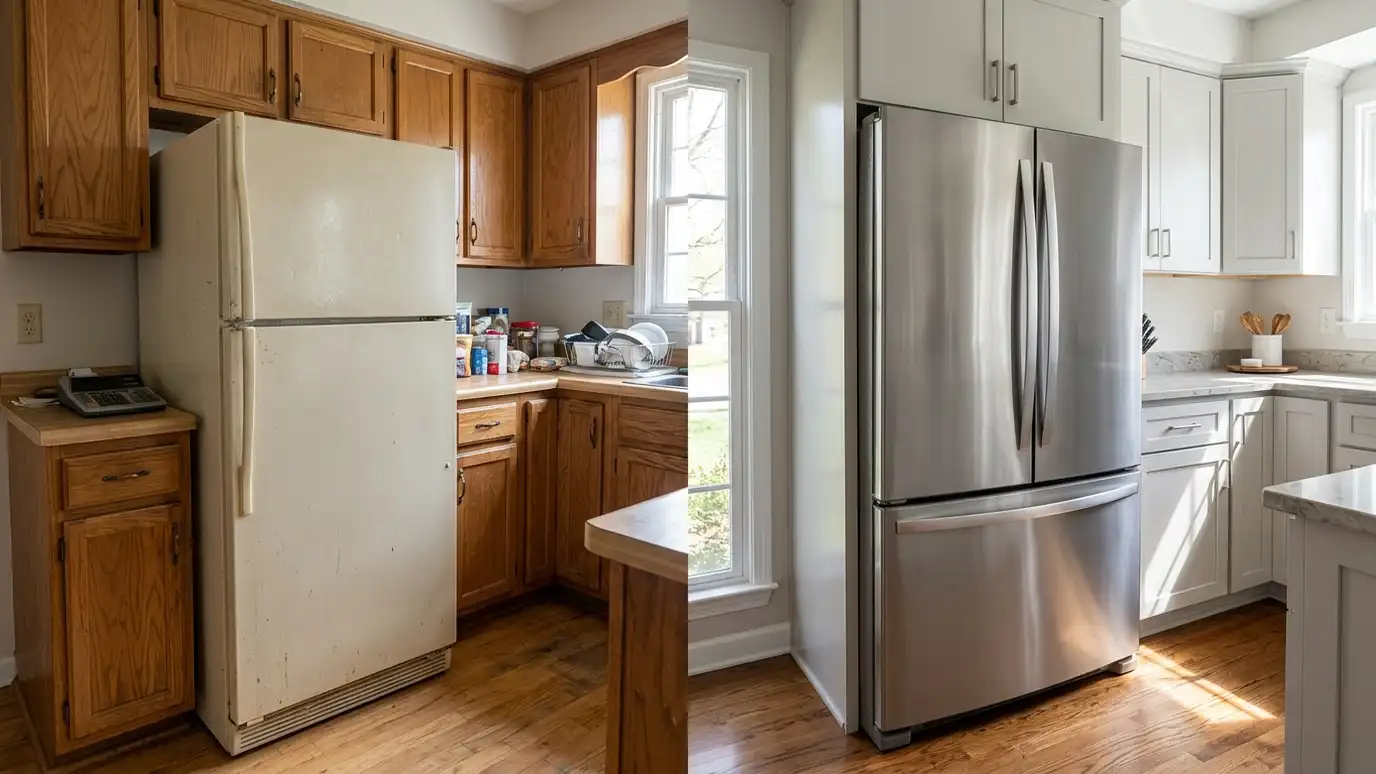
An appliance well within its typical life is usually a good candidate for repair. One well beyond it deserves a harder look.
Condition and care matter too. A well-kept older unit can outlast a neglected newer one.
If you cannot find the year on the label, the serial number often encodes it. A technician can read it for you, and many makers publish decoding guides on their official websites.
Step two: get the cause and the cost
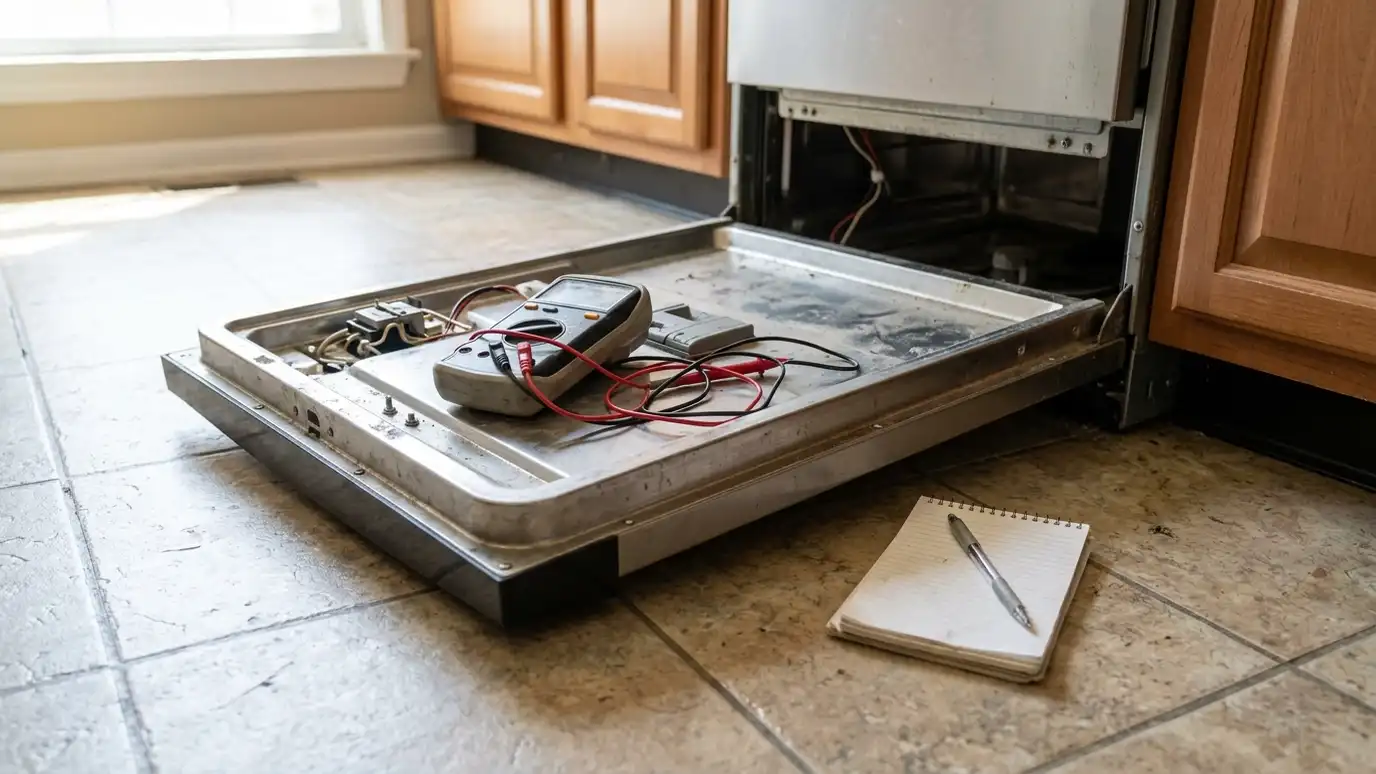
A diagnosis tells you what failed and what the repair costs. Without it, you are guessing. Ask for the cost in writing.
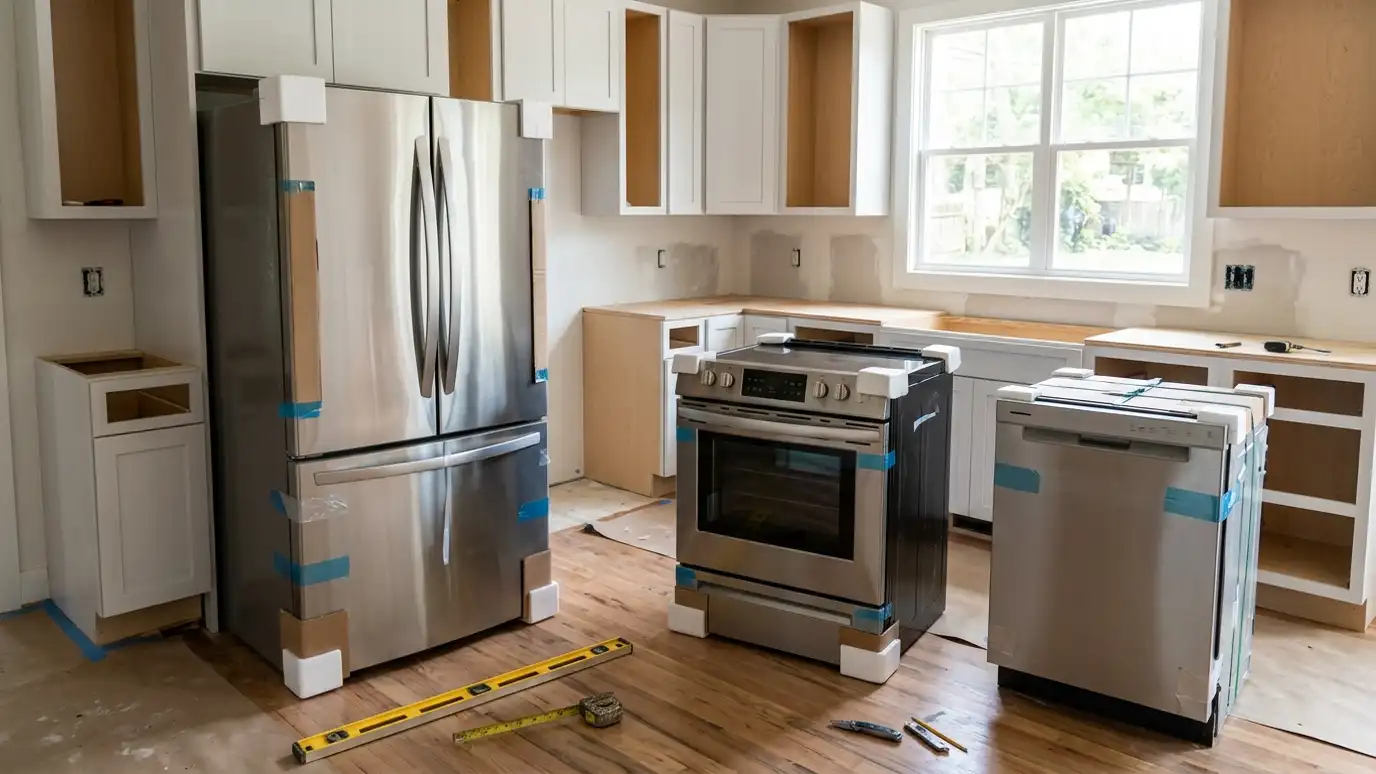
Compare the repair with the price of a similar new appliance, including delivery, installation and haul-away. Those add up and sometimes tip the balance.
A modest repair on a sound unit is almost always worth it.
Do not forget the hidden costs of replacing: delivery, installation parts such as hoses and cords, haul-away and sometimes a new outlet or water line. Add them to the new-unit price so the comparison is fair.
Step three: apply the half rule
If the repair costs about half or more of a comparable new unit, replacement deserves serious thought. If it costs a quarter or less, repair is usually the smart move.
Between those numbers, weigh age, efficiency and how often the appliance has failed.
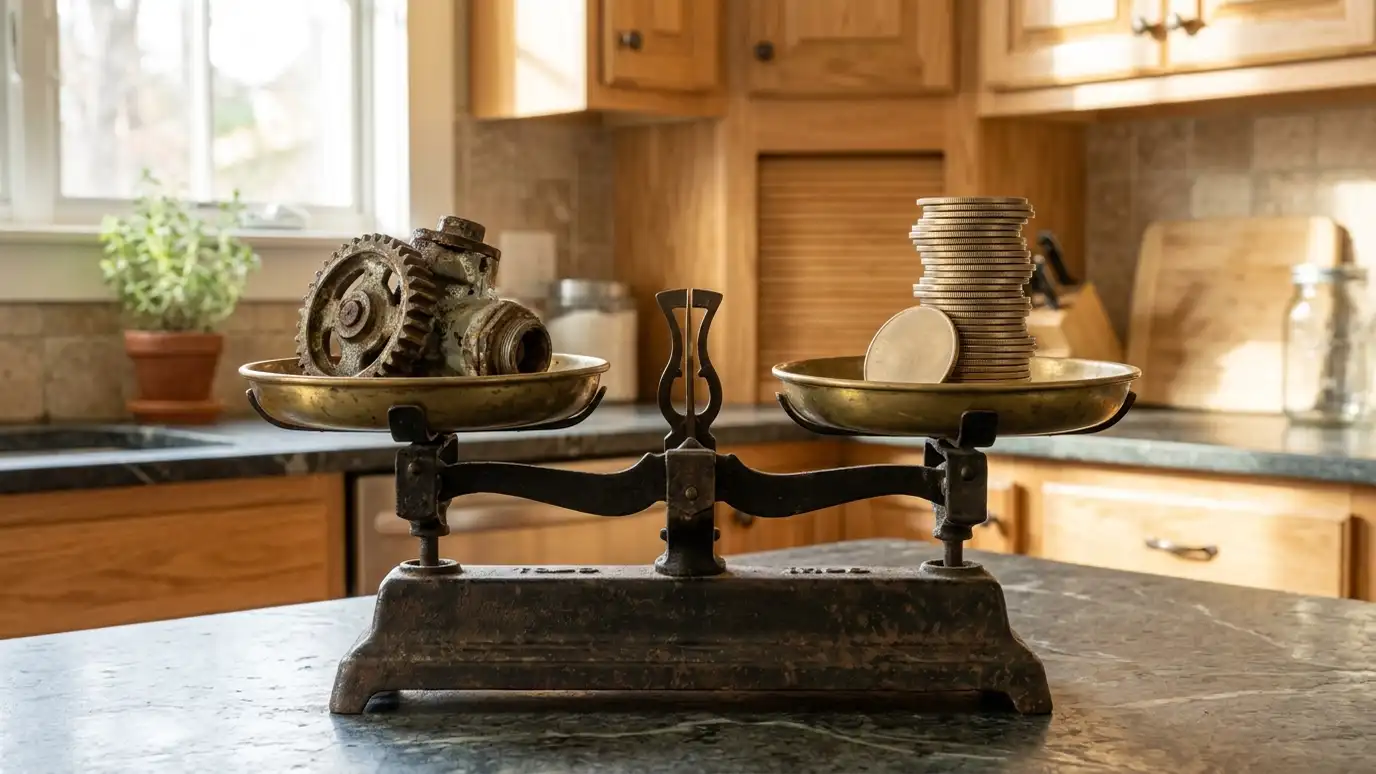
The rule is a guide, not a law.
The half rule works best for mid-priced appliances. For very inexpensive units, even a smaller repair can be a poor value, while for luxury built-ins, a repair that costs half of a new unit can still be sensible because replacement also means cabinet work.
Step four: consider efficiency
Older refrigerators, freezers and dryers can use much more power than new ones. Over several years, that matters. Our energy tool gives a simple estimate.
Water use is another factor for old washers and dishwashers.
If efficiency savings would pay for a meaningful part of a replacement, that points toward replacing.
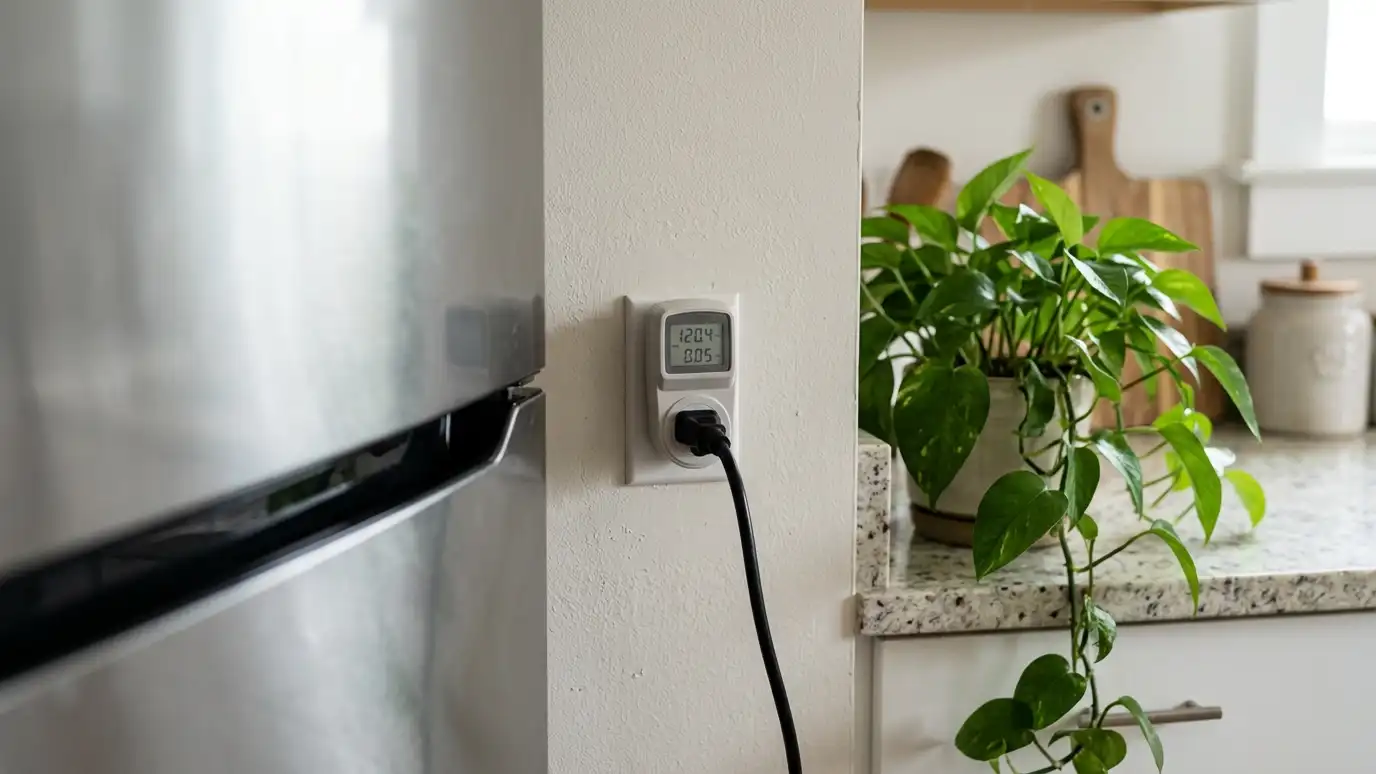
Use a simple plug-in power meter on an old refrigerator or freezer for a day. The reading often surprises people, and it turns a vague worry about efficiency into a number you can work with.
Step five: think about safety
Some failures are safety issues: gas leaks, sparking, overheating, cracked cooktop glass or repeated breaker trips. In those cases, stop using the appliance and call.
Safety problems on an older appliance often point to replacement.
We would rather tell you plainly than fix something that should not be used.
A safety problem is not a place to be clever. If an older appliance has sparked, smelled of gas or overheated, put safety first and get it checked before deciding anything else.
Step six: think about your plans
A home you are about to sell, a rental and a house you will keep for twenty years all lead to different choices. A buyer may prefer matching, newer appliances.
For rentals, durability and quick turnaround often matter more than features.
Your budget and timing count as well.
If you are preparing a home for sale, a matching set of working appliances is often worth more than a single new one. If you are a landlord, consider durability and the ease of getting parts when you choose the replacement.
Step seven: decide and act
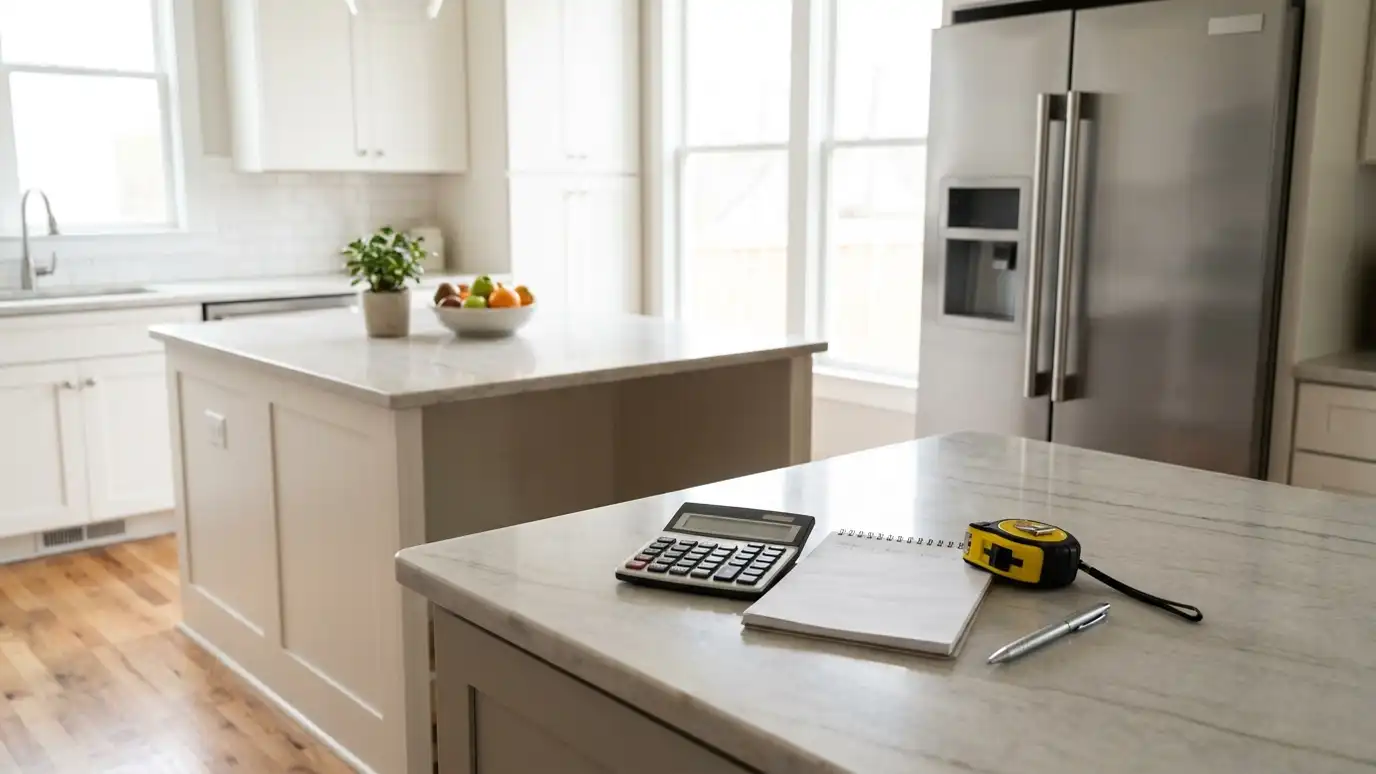
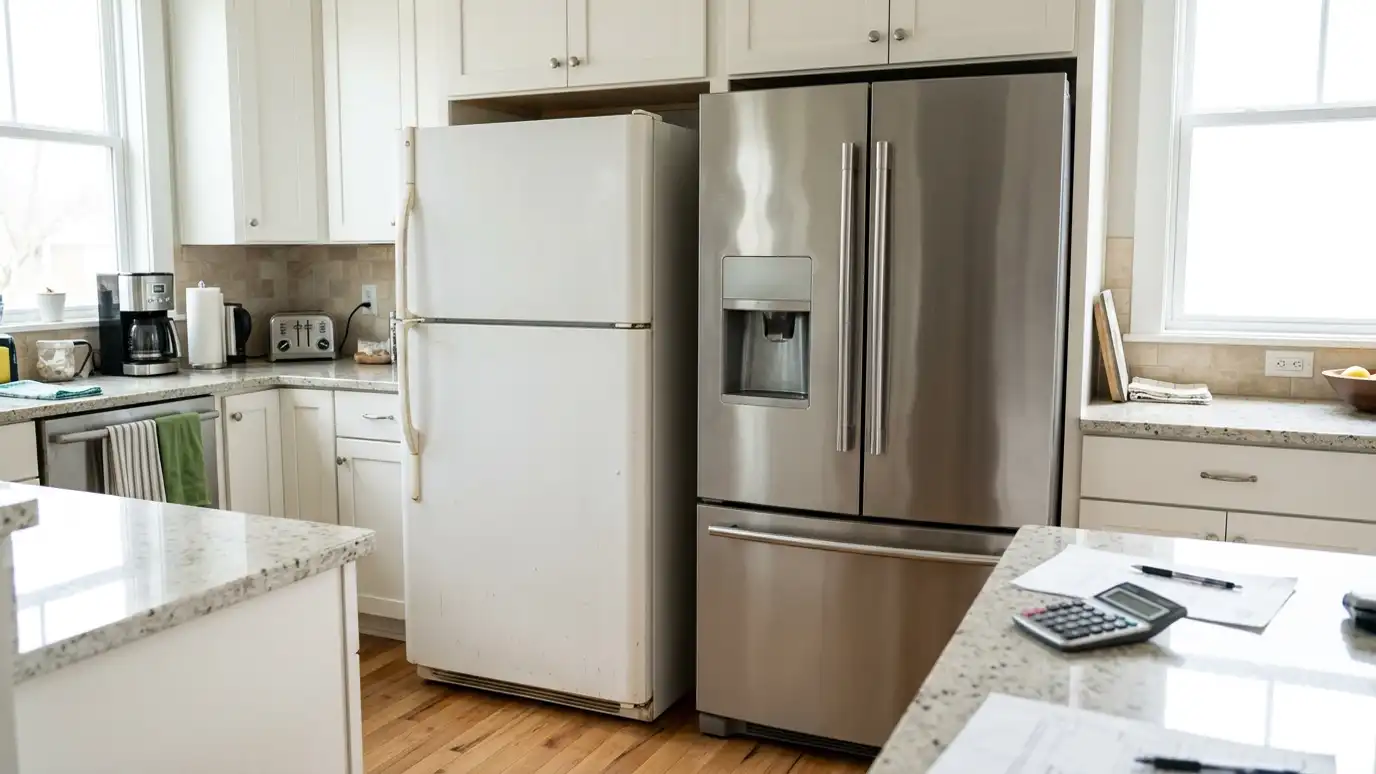
Put the numbers side by side: repair cost, expected remaining life, running costs and the cost of replacement. Then choose with confidence.
If you replace, we can install the new appliance and haul away the old one. If you repair, we test the result before we leave.
Whichever you choose, keep the paperwork for your records.
Once you decide, act while the appliance is still working or can be kept going safely. Rushed replacements during an emergency usually cost more and offer fewer choices.
Get the cause and the cost, compare it with a new unit and the age, and choose the path that gives the most value.