Gas safety
If you smell gas, leave the home, avoid switches and phones inside and call your gas utility or emergency services from outside. Do not light matches.
Have gas appliance connections checked when you move in and after any service.
Install a carbon monoxide alarm near sleeping areas.
Tell everyone in the home where the gas shutoff is and how to leave quickly. A short conversation with children and guests, once a year, takes a few minutes.
Electrical safety
Do not use extension cords with large appliances. Look for scorched outlets, hot cords and plugs that do not fit tightly. A breaker that keeps tripping is a warning.
Never use a damaged cord or a range with a cracked cooktop.
Keep water away from electrical parts.
If an outlet or plug feels hot, discolors or crackles, stop using it and have it checked. Appliances draw a lot of current, and a poor connection can heat up quietly.
Dryer and lint fires
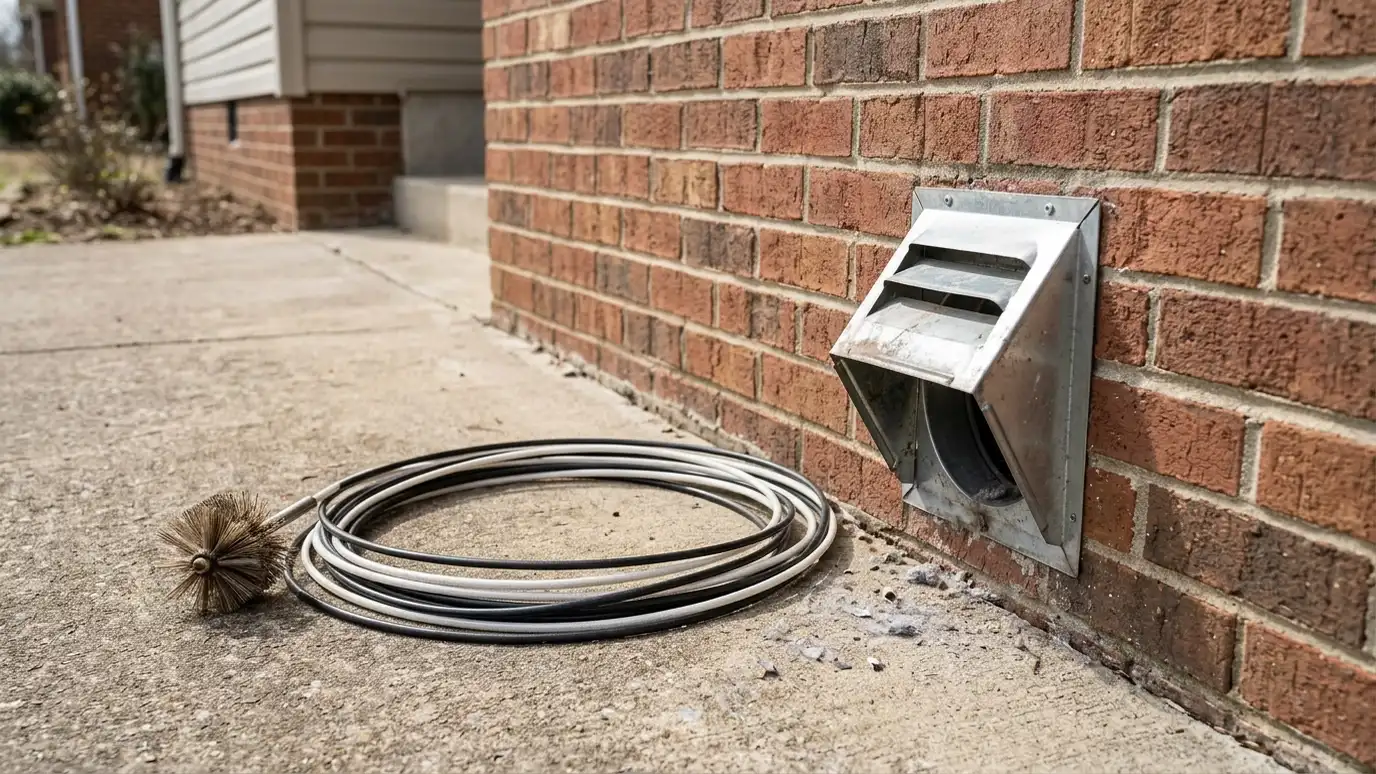
Lint is flammable. Clean the lint screen after every load, have the vent cleaned yearly and never run the dryer when you are away or asleep.
Do not dry items soaked in oil or flammable liquids.
Use rigid or semi-rigid duct.
Empty the lint screen after every load and listen for changes in the dryer. A longer drying time is often the first warning of a restricted vent.
Kitchen fires
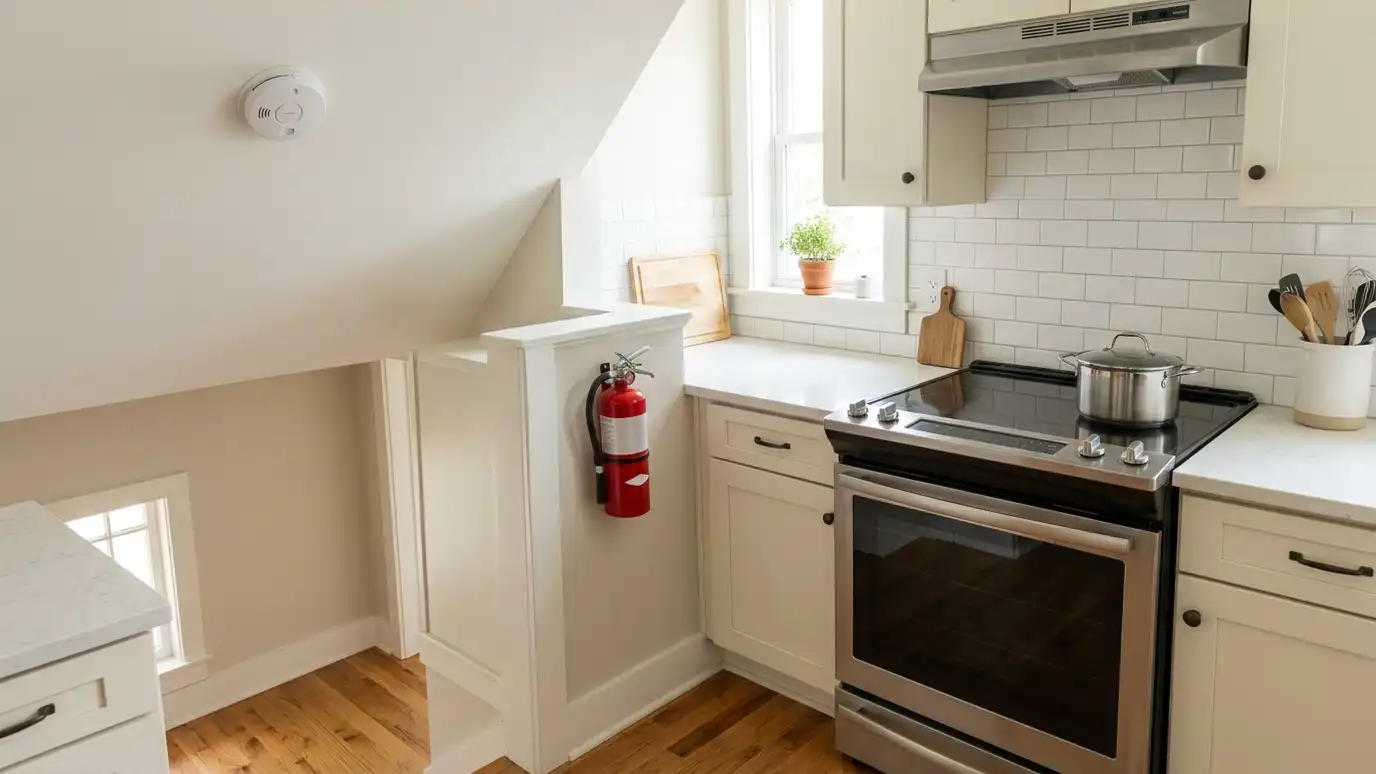
Never leave cooking unattended. Keep a fire extinguisher where you can reach it, and keep flammable items away from burners. Do not use water on a grease fire.
Clean grease from hoods and filters.
Test smoke alarms monthly.
Keep towels, paper and wooden spoons away from burners, and turn pot handles inward. A clear, tidy range top is a safer one.
Water and leaks
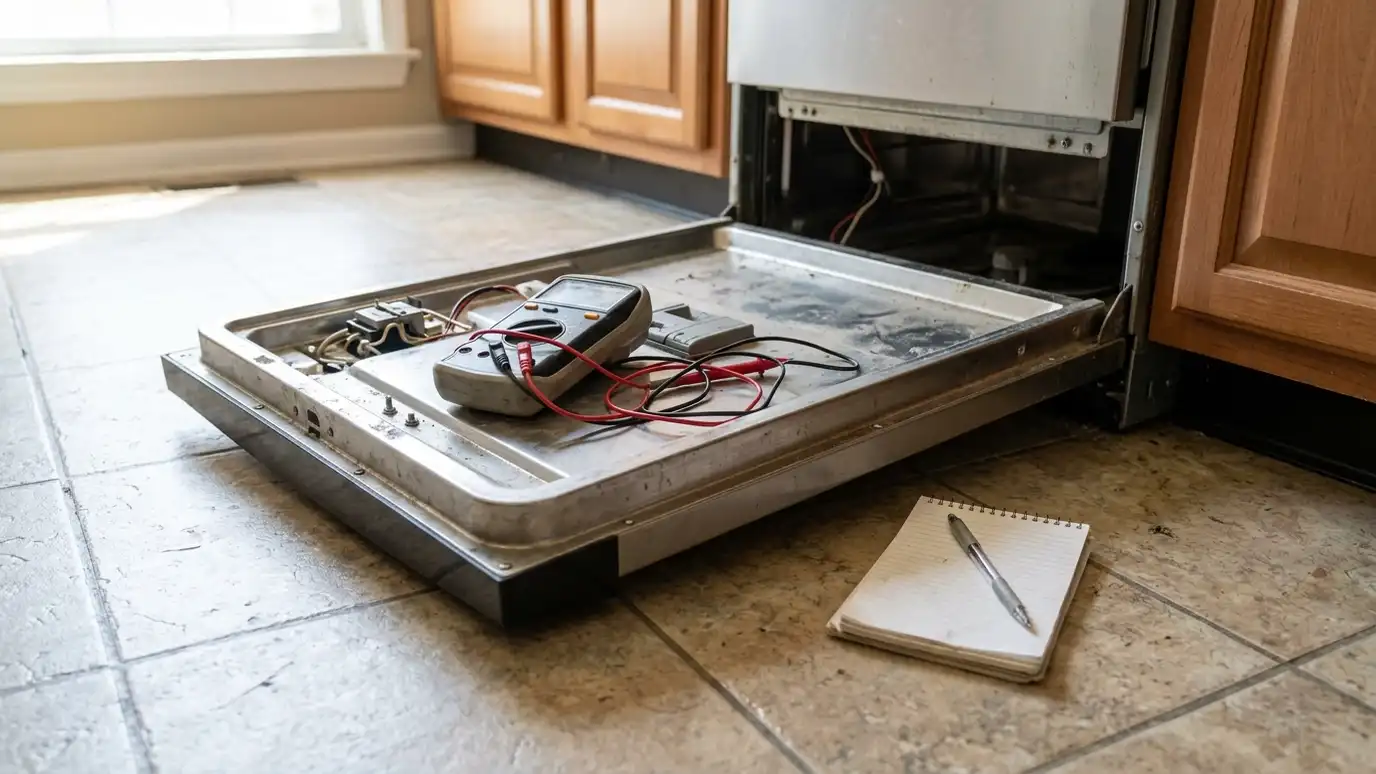
Check hoses behind washers and dishwashers for bulges and cracks and replace them every few years. Know where the shutoff valves are.
A small leak near a power outlet is an emergency.
A leak alarm under the dishwasher or heater is inexpensive protection.
Replace washer hoses every few years, and consider braided stainless hoses with a shutoff valve or a leak alarm. A burst hose can release hundreds of gallons in an hour.
Water heater safety
Set the temperature at a safe level to reduce scalding. Keep flammables away from gas heaters and check the relief valve line. Never block the flue.
Do not plug or cap a relief valve.
Have an old heater checked.
If you smell something like rotten eggs near a gas water heater, treat it as a gas leak. Do not light anything and call the utility from outside.
When to stop and call
Stop using an appliance and call for sparks, smoke, burning smells, a hot cord, repeated breaker trips, gas odors, cracked glass tops or water near electrical parts.
Calling early is safer and often less costly.
We would rather you call than take a risk.
When in doubt, call. A technician would much rather look at a harmless odd smell than a damaged appliance after an incident.
Treat gas smell, sparks, burning odors and leaks near power as emergencies, and keep lint, grease and cords under control.