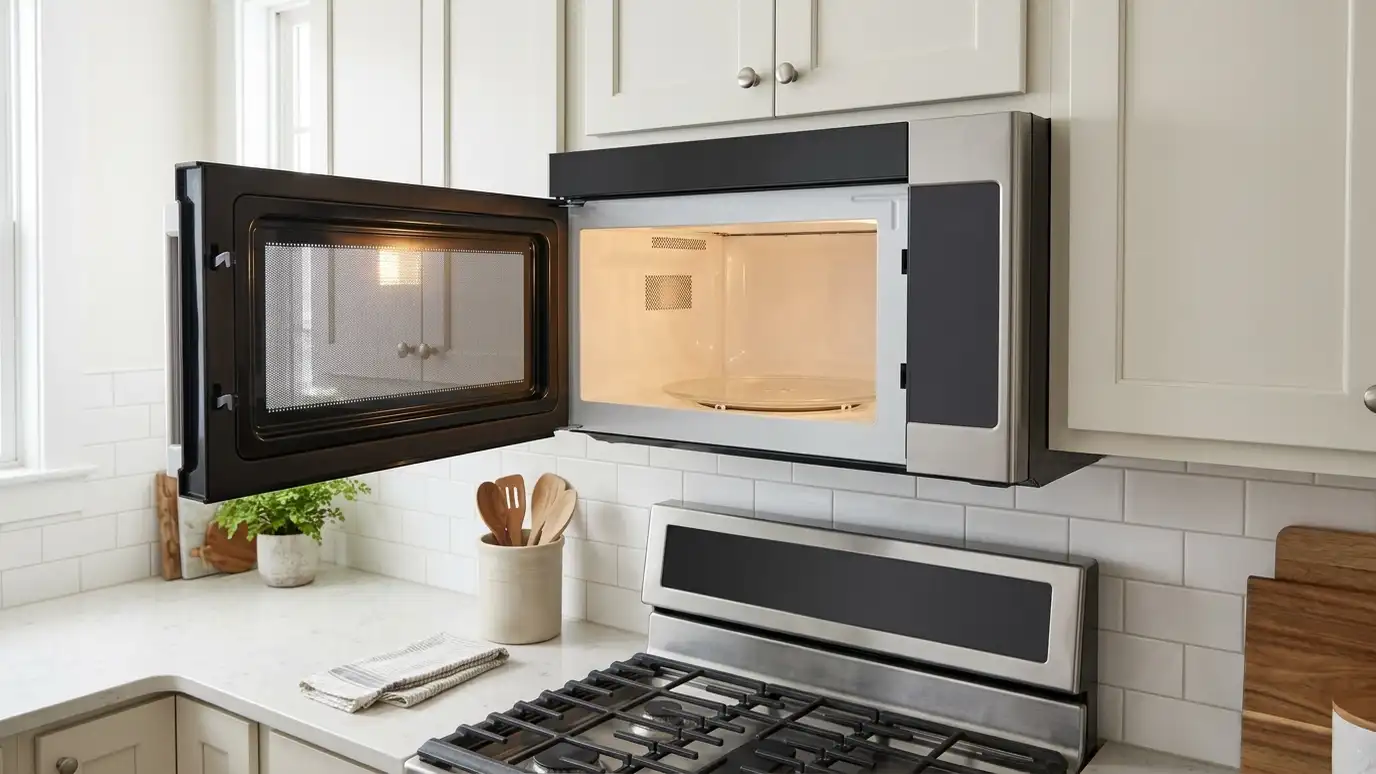
Repair for countertop, built-in and over-the-range microwaves: no heat, sparks, dead displays, noisy turntables and door faults.
The microwave is the busiest small appliance in the house, used for coffee, leftovers and last-minute dinners. When it stops heating, hums without warming, throws sparks, loses its display or leaves the door ajar, daily routines grind to a halt. Microwaves store a dangerous charge, even when unplugged, so this is not a do-it-yourself repair. Our technicians know how to discharge and test the high-voltage parts safely and how to tell a simple fix from a repair that is not worth the cost.
We test the door switches, high-voltage diode and capacitor, magnetron, thermal fuse, control board, turntable motor and fan, and we check the cavity for arcing damage. We also advise honestly: on many countertop models, a repair costs more than a new unit, while over-the-range and built-in models are usually worth repairing. Either way, you get a clear answer and a plain explanation before any work begins.
A bad diode, capacitor, magnetron or door switch is usually the cause and needs a safe, careful test.
A burned waveguide cover or damaged cavity wall is the usual reason, and we repair or advise on replacement.
Dead displays and unresponsive keypads often point to a board or a blown fuse.
Motors, rollers and couplers wear and are typically simple repairs.
Discharge and test correctly.
Common failures.
Fans, lights and vents too.
Fair numbers on small units.
No surprises.
Heat and function verified.
Every topic has its own page with what to expect and how we approach it.
 Topic guideRepair or Replace GuideA plain way to decide whether to fix an appliance or buy a new one, using age, repair…Learn more
 Topic guideAppliance Lifespan GuideTypical lifespans for refrigerators, ranges, washers, dryers, dishwashers and water heaters, and the habits that stretch them.Learn more
 Topic guideError Codes and Warning SignsWhat common error codes, noises, smells and symptoms mean and when to stop using an appliance and call…Learn more
Pick an appliance and tick what you see and hear to get likely causes, safety notes and the service page that fits.
You tell us the brand, the model and what the appliance is doing, and we give you early guidance and set a visit that fits your day.
A technician inspects the appliance, reads codes and tests parts with meters and gauges to find the real cause.
You get a plain written plan with the parts, the work and the cost, and honest advice on repair or replace.
We repair with parts matched to your model, or install the new appliance level, connected and secured.
We run the appliance through a full cycle, check for leaks and show you how it works before we leave.
We keep a record, answer questions and stay available if anything seems off after the visit.
No. Microwaves store a dangerous high-voltage charge even when unplugged, so leave repairs to a technician.
A failed diode, capacitor, magnetron or door switch is the typical cause.
Food debris, a burned waveguide cover or damaged cavity paint causes arcing. Stop using it.
Often not, unless it is a higher-end model. We tell you plainly.
Yes, including the vent fan, lights and mounting.
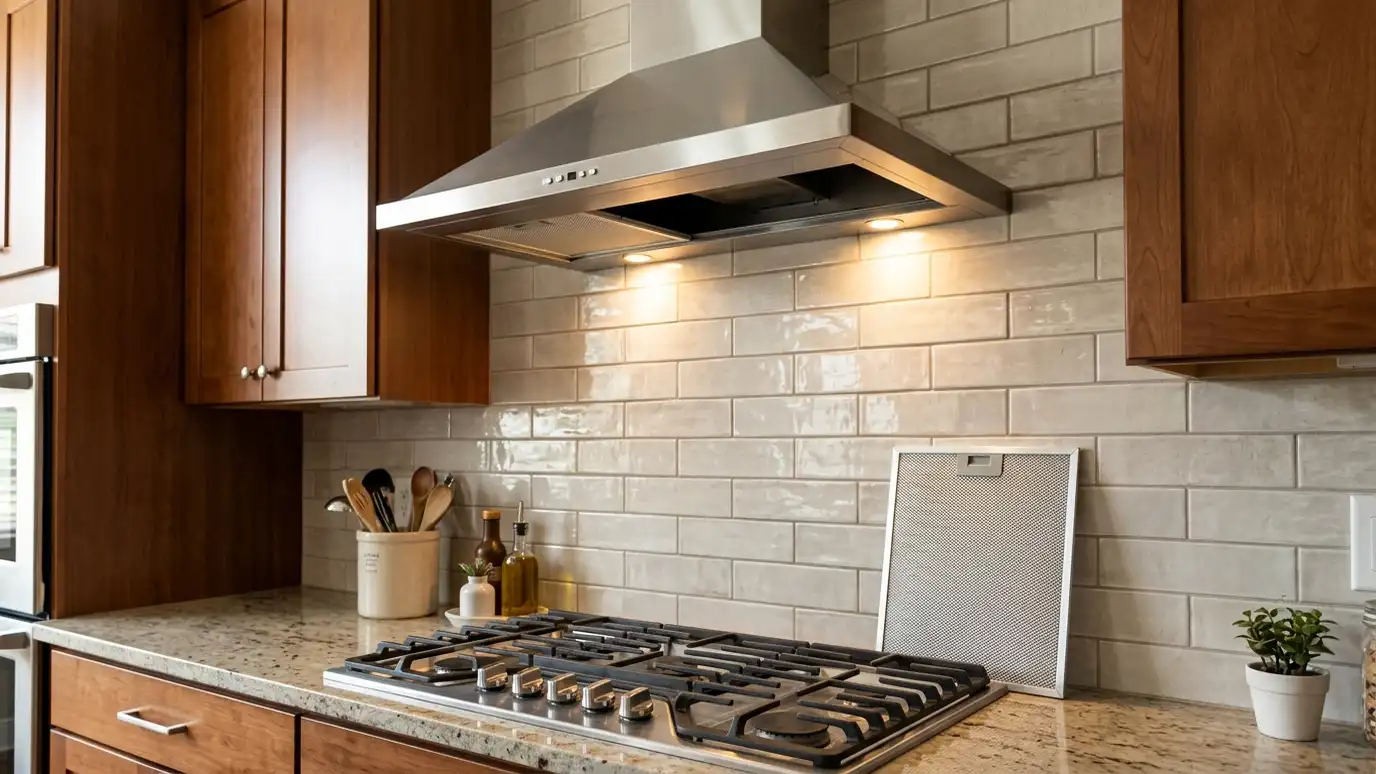 Range Hood and Vent RepairRepair for range hoods and vent fans that are loud, weak, dark, greasy or not pulling smoke, including…Explore
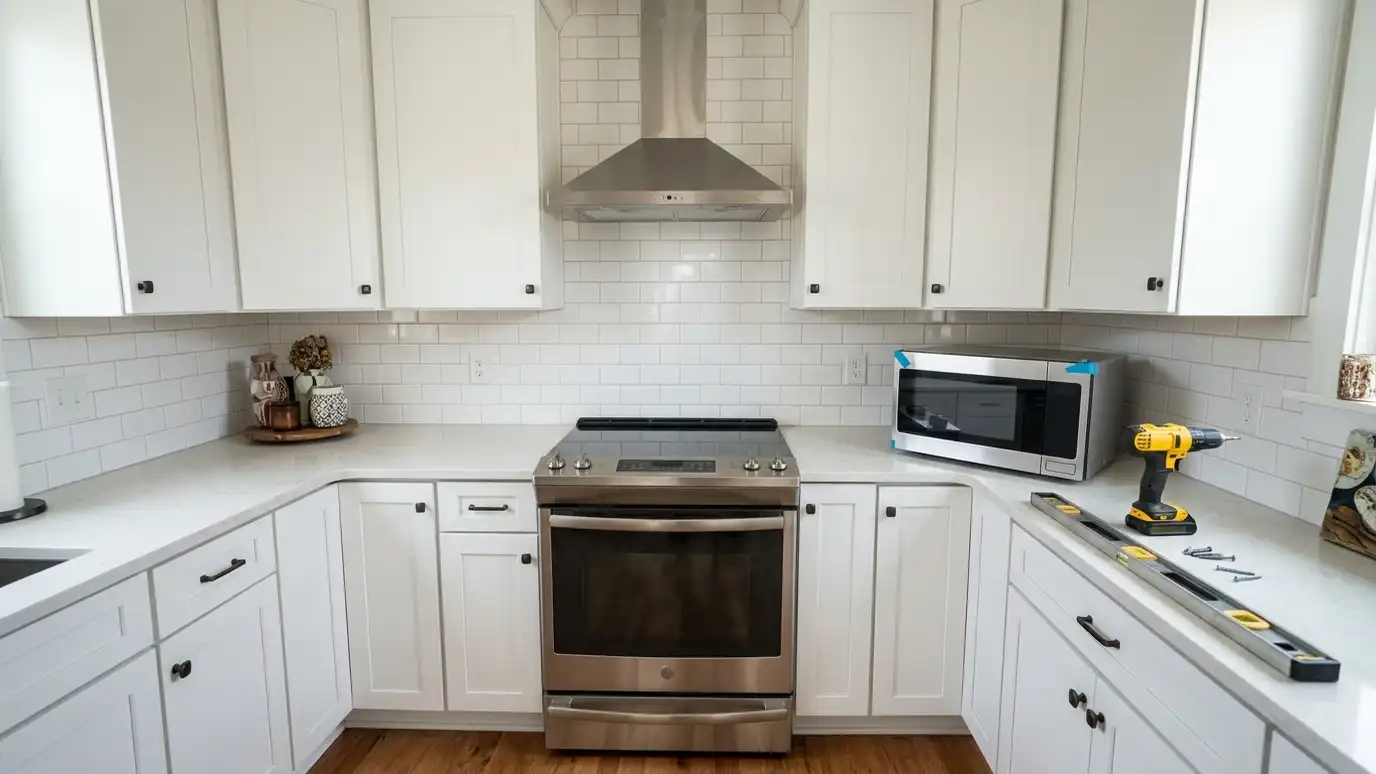 Microwave and Range Hood InstallationInstallation of over-the-range microwaves, range hoods and built-in microwaves: mounting, venting, electrical and finishing.Explore
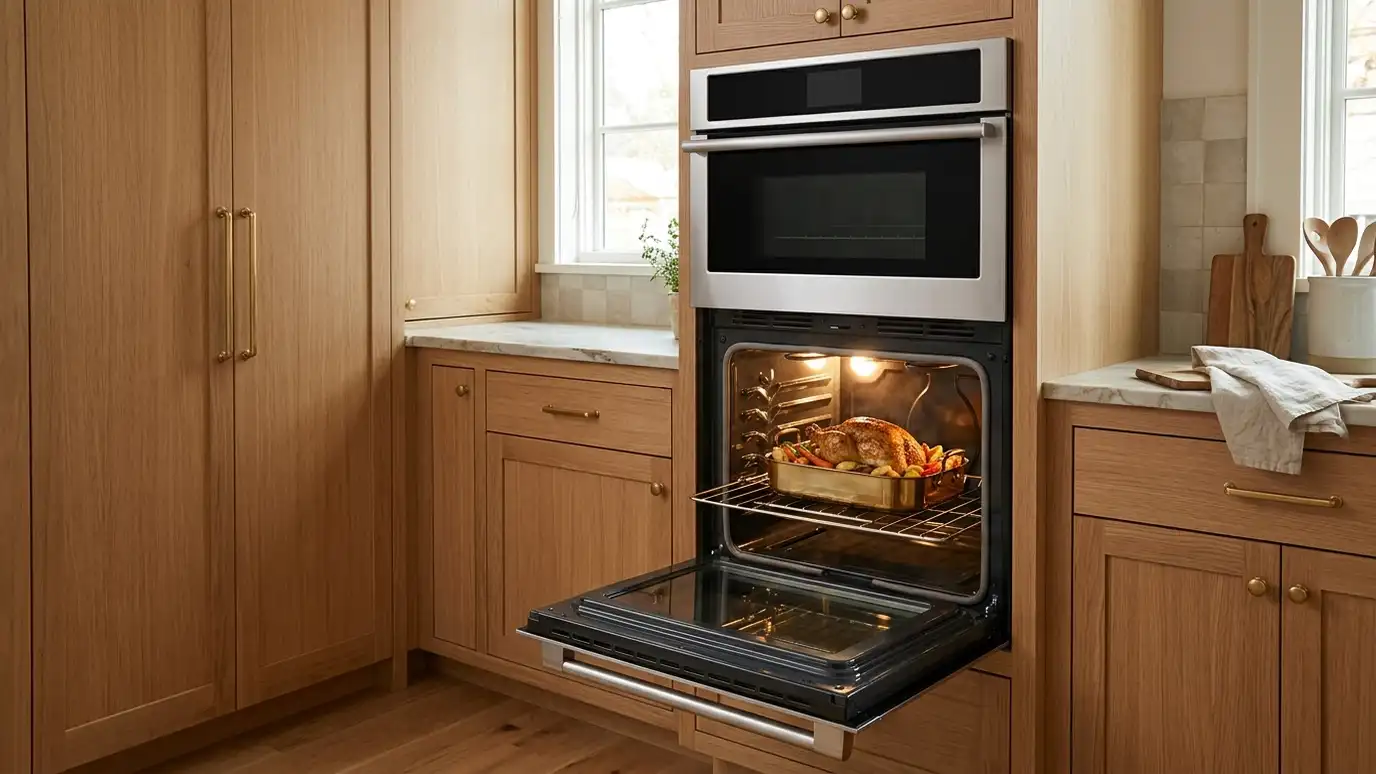 Wall Oven RepairRepair for single, double and combination wall ovens, including convection, steam and speed ovens in built-in installations.Explore
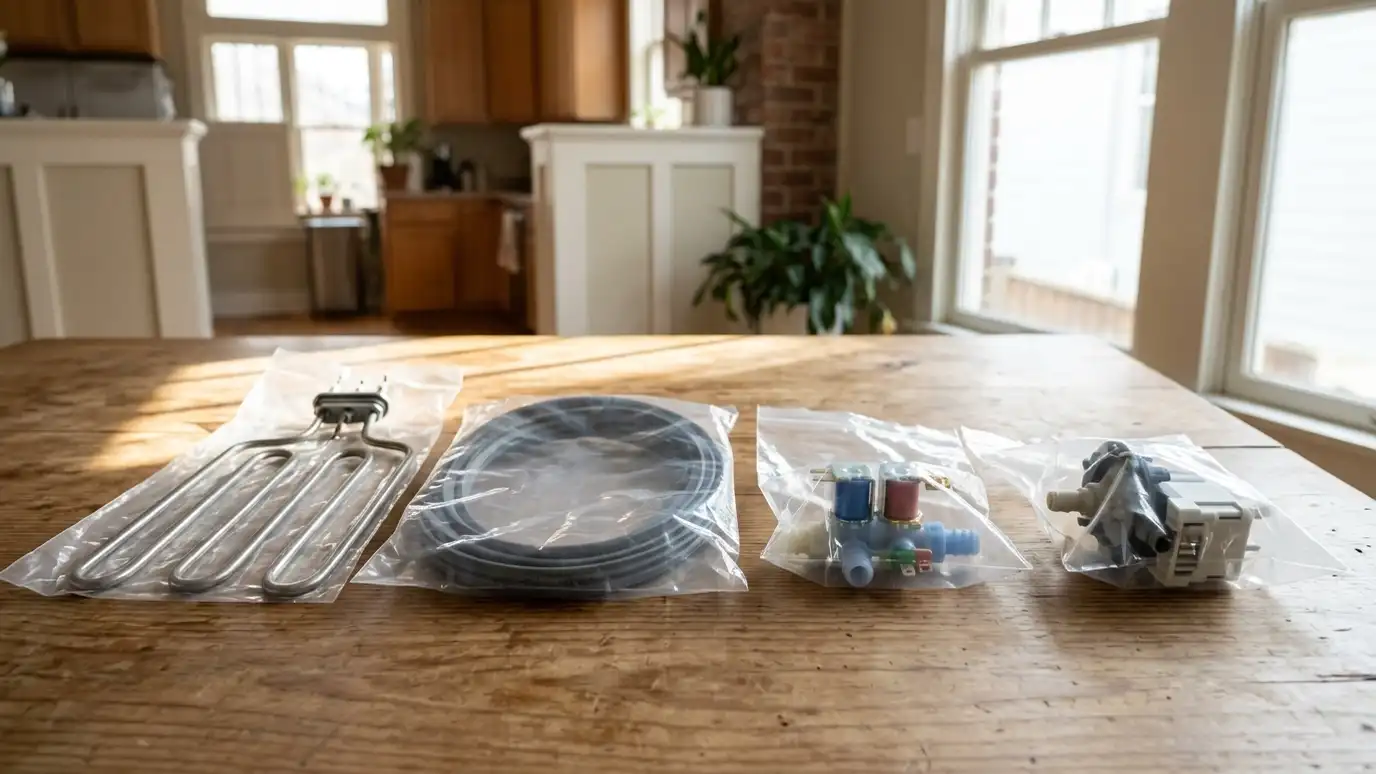 Appliance Parts and OrderingParts identification and ordering matched to your model and serial number, delivered to your home or brought to…Explore
Tell us about your appliance and we will call you back to set up a visit.
Or call (615) 357-7797 to talk now.