Oven will not heat
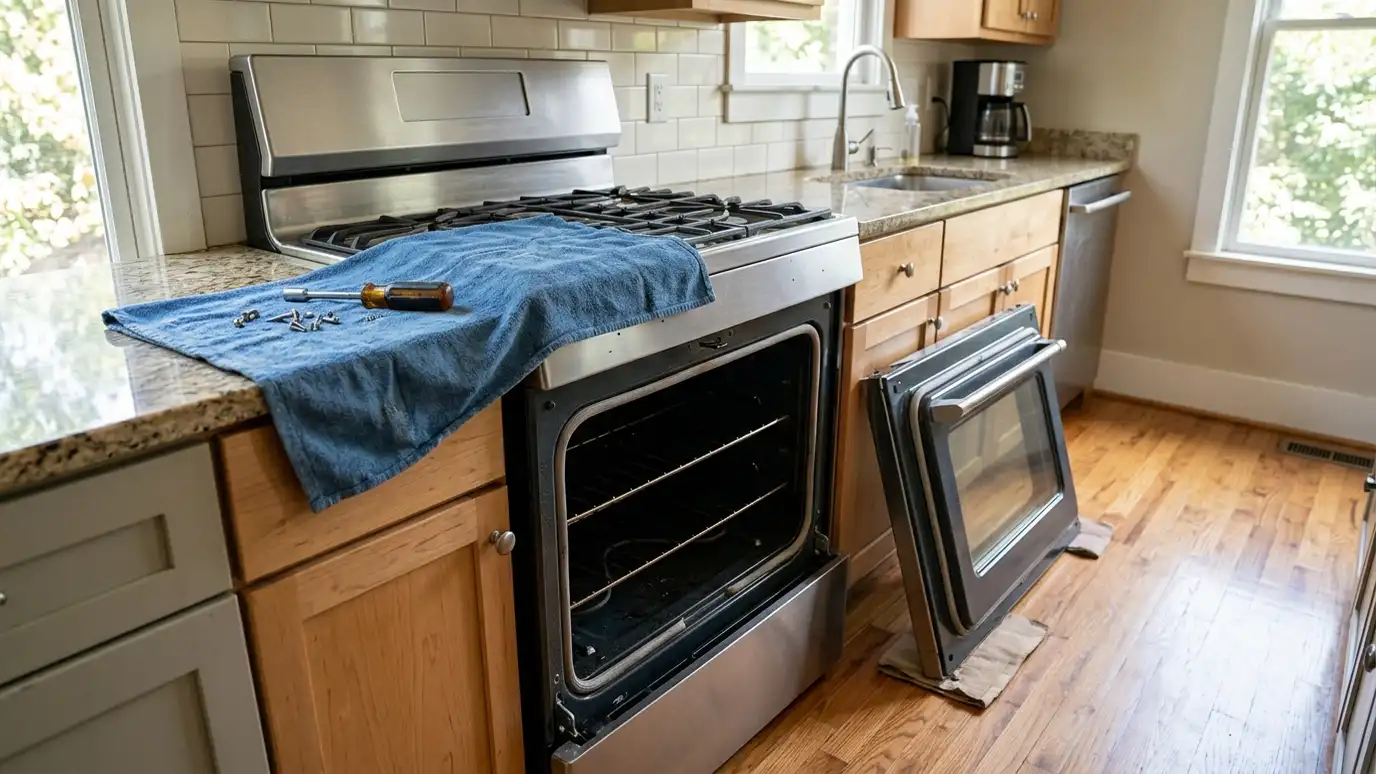
Check that the oven is set to bake and that the clock is set. For an electric oven, check both breaker poles. For a gas oven, a weak igniter may glow without lighting the gas.
If the bake element looks broken or blistered, it needs replacing.
Never use a range as a space heater.
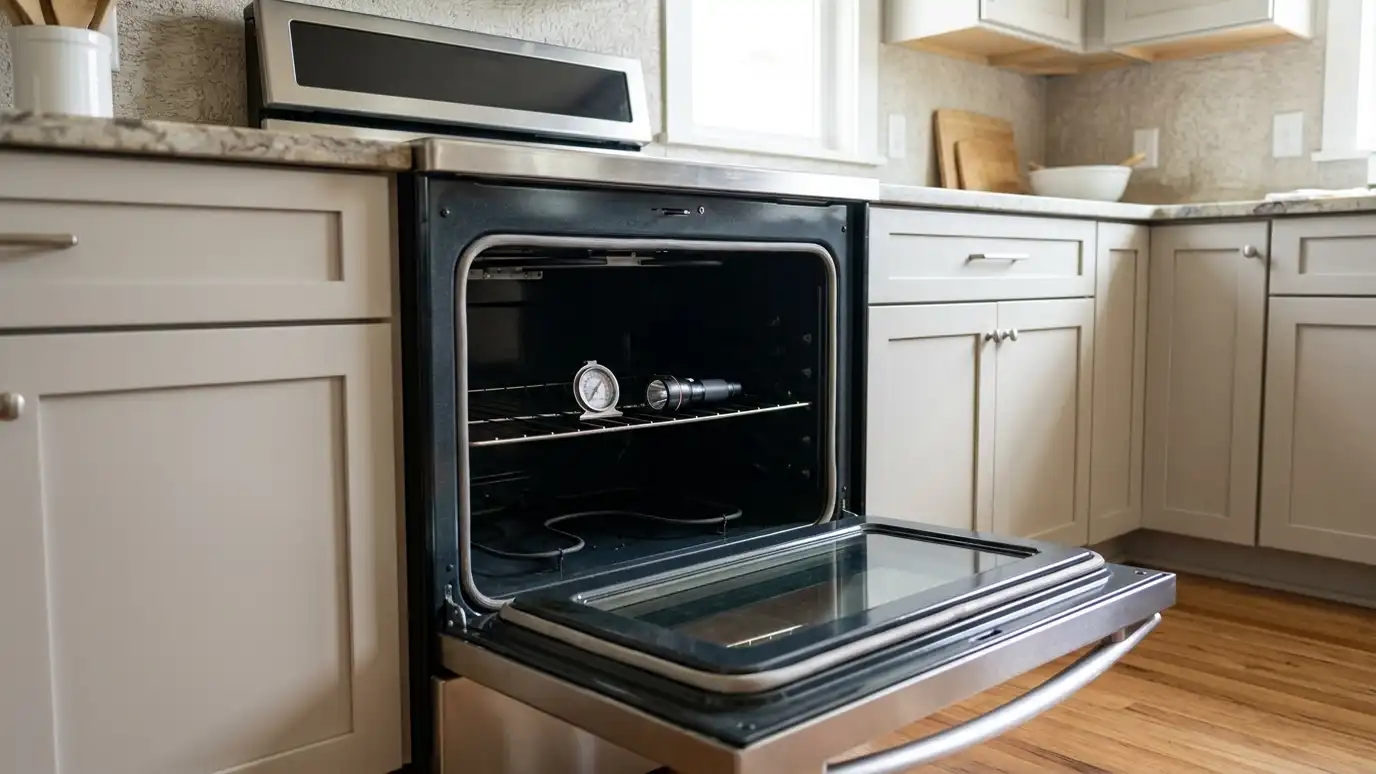
An oven thermometer is an inexpensive, honest tool. Place it in the center of the middle rack and compare it with the set temperature after preheating. A difference of twenty degrees or more is worth a service visit.
Uneven baking
Use an oven thermometer to see how far the real heat is from the setting. A weak element, a failed convection fan or an off sensor can cause hot and cold spots.
Rotate pans and do not overload the racks.
Calibration is a service item.
Keep a spare set of burner caps and clean them with a soft brush and warm soapy water. Dry them fully before placing them back, because water in the ports is a classic reason for no light.
Burner will not light
Clean the burner ports and the cap with a soft brush, and make sure the cap is seated. Moisture and food debris prevent lighting.
If all burners click without lighting, the spark module or the supply may be at fault.
If you smell gas, leave the home and call your gas utility.
Smooth tops are strong but not invincible. Lift pots rather than sliding them, avoid dropping heavy items and clean spills with a proper cleaner and a soft cloth.
Cooktop problems
On a smooth top, a dead element, a bad switch or a loose connection leaves one zone cold. Cracked glass is a safety issue, so stop using the zone.
On induction, use magnetic pans and check the error code.
Clean spills while the surface is cool.
On induction, test your pans with a magnet. If it sticks firmly to the base, the pan will work. Pans with warped bases or an uneven bottom can cause poor contact and error beeps.
Self-clean cycle problems
Remove racks and heavy debris first, and make sure the door can lock. Error codes after a cycle may point to a lock, a thermal fuse or a control problem.
Do not use chemical cleaners in a self-clean oven.
Ventilate the kitchen during the cycle.
Check your manual before using the self-clean cycle. Remove racks if the manual says to, wipe heavy spills and keep pets and birds away from the kitchen because the fumes can be strong.
Safety first
Keep a fire extinguisher in the kitchen, never leave cooking unattended and check gas connections if you notice an odor. Do not use water on a grease fire.
Test smoke and carbon monoxide alarms.
Call a technician for any burning smell, sparks or repeated breaker trips.
Hood filters and a clean hood also reduce fire risk. A greasy filter is fuel, and washing it monthly in the dishwasher or by hand is an easy habit.
Care tips
Wipe spills promptly, clean burner caps monthly, avoid heavy scouring on smooth tops and keep the door seal clean.
Use the right size pan for each burner.
Have an igniter or element looked at early, before the oven fails before a holiday.
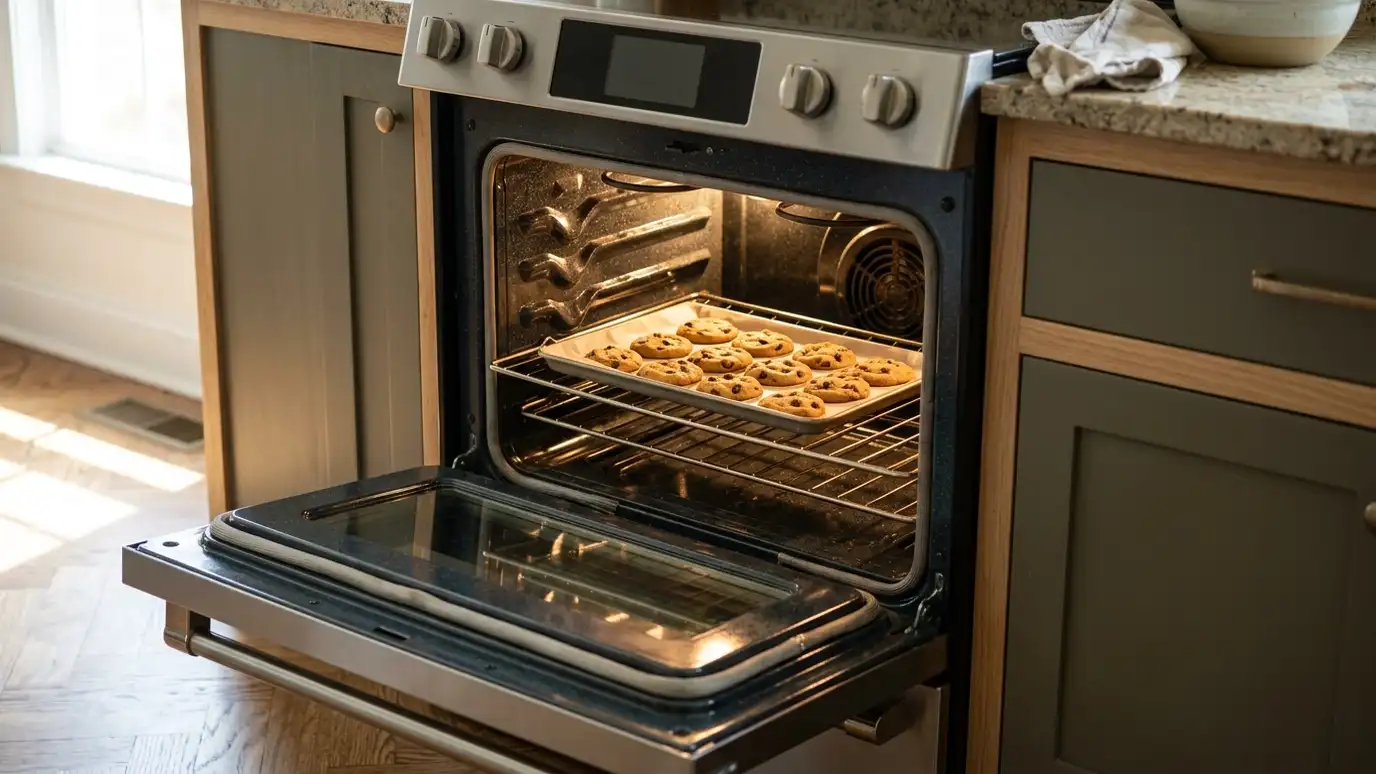
Replacing a tired oven door seal and cleaning the range top regularly keep the oven efficient and the kitchen cooler in summer.
Test with a thermometer, keep burners clean, respect gas safety and call early for heat or ignition problems.