Check power first
A surprising number of calls end with a tripped breaker, a loose plug or a switched-off outlet. Check that the appliance is plugged in firmly, that the outlet works and that the breaker has not tripped.
Dryers and ranges use two breaker poles. If only one is on, the appliance may run but not heat.
Reset a tripped breaker once. If it trips again, stop and call.
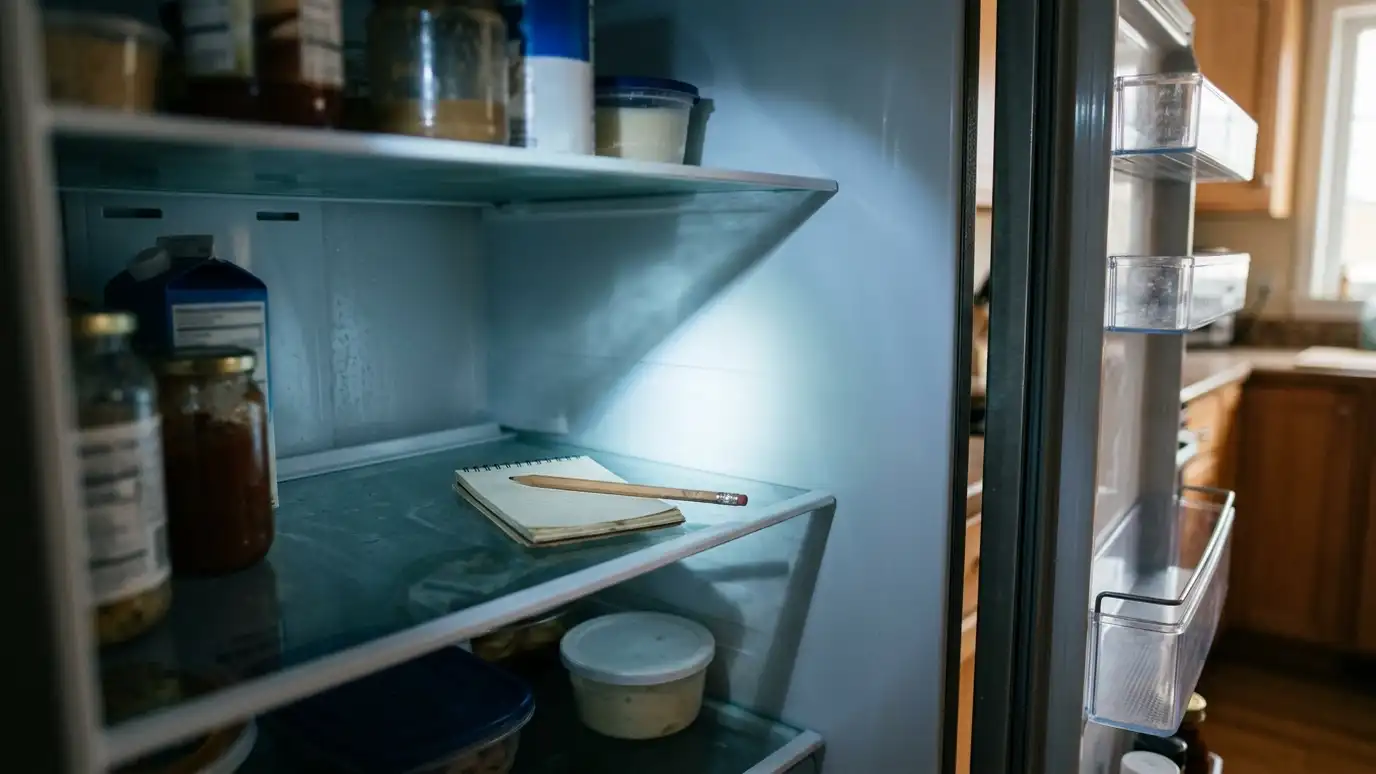
A quick look at the breaker panel is worth the minute. Note which breaker serves the appliance, and if you reset it, write down the time so you can tell a technician whether it tripped again.
Check settings and doors
Control locks, demo modes, delay start and open doors stop many appliances. Look at the display and the manual for a lock symbol or a mode.
Make sure doors, lids and drawers are fully closed. A small obstruction can keep a latch from catching.
A quick look at settings can save a visit.
Many appliances have a child lock, a demo mode or a sabbath mode that looks like a failure. A minute with the display and the manual can save a service call and teaches you something about your model.
Check water and drains
For washers and dishwashers, confirm that the water supply valves are open and the hoses are not kinked. Check the drain hose and the filter for clogs.
A clogged filter is the leading cause of drain trouble in both machines.
Use gloves and towels when you clean filters, and never force anything.
When you clean a filter, take a photo before you remove it so you remember how it fits. A filter put back wrong can cause a leak that looks like a bigger problem.
Check airflow and coils
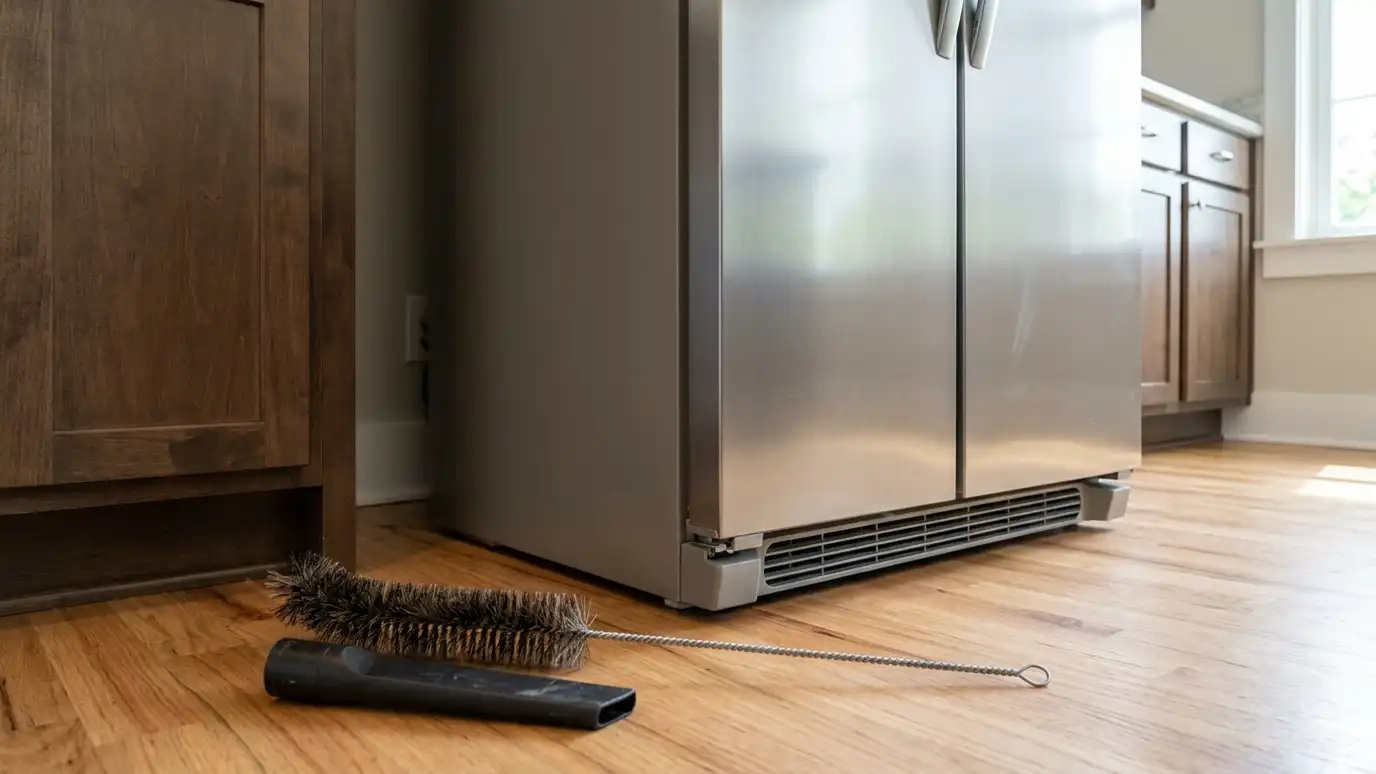
Refrigerators need air around the condenser coils. Vacuum dust from the coils and make sure nothing blocks vents inside the fridge and the freezer.
Dryers need a clear vent. If drying times have grown, check the lint screen and the vent hood.
Clean airflow solves many cooling and drying problems.
Keep a soft brush and a coil cleaning brush in a drawer near the refrigerator and the dryer. Quick monthly passes keep dust and lint from building into a hot, slow, failing machine.
Check the basics for ovens and ranges
If a burner will not light, clean the burner ports and caps and make sure the cap is seated. If an oven will not heat, check the clock and settings and look for a tripped breaker.
Do not take apart gas parts yourself. If you smell gas, leave the home and call your gas utility.
Never use a range as a heater.
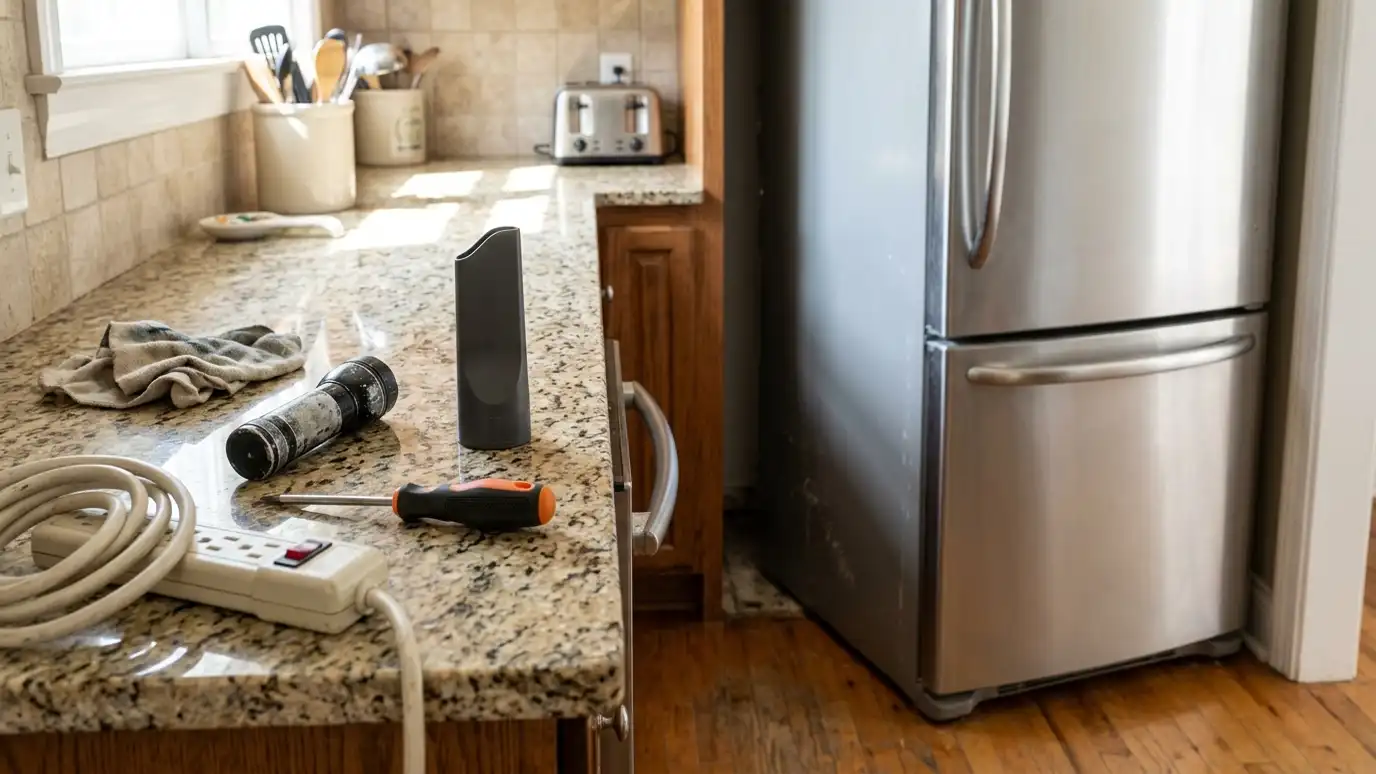
A flashlight and a small mirror help you see burner ports and igniters. If you see a cracked igniter or a burned wire, do not try to power through it. Take a photo and call.
Know when to stop
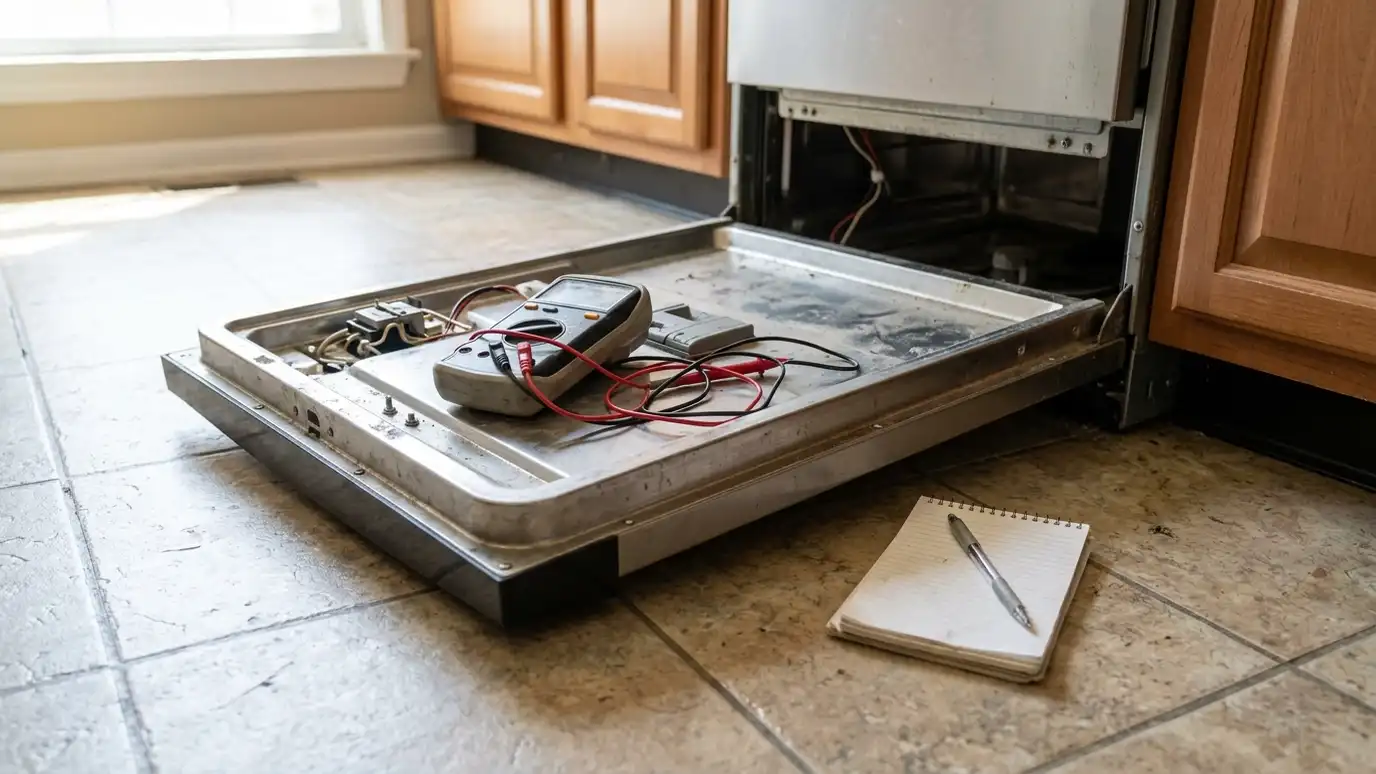
Stop and call if you see sparks, smoke or a burning smell, if a breaker keeps tripping, if water is near electrical parts, if you smell gas or if a cord is hot.
Do not open microwaves, which store a dangerous charge.
Calling early costs less than a failure made worse by repeated tries.
Resist the urge to keep trying a failing appliance. Repeated restarts can turn a small fault into a bigger one, especially with compressors, motors and heaters.
What to tell the technician
Note the brand, the model, the age, the symptoms, any error code and what you tried. Photos of the label and the code help.
This saves diagnosis time and helps us bring the right parts.
A short list from you is one of the best tools for a quick, accurate repair.
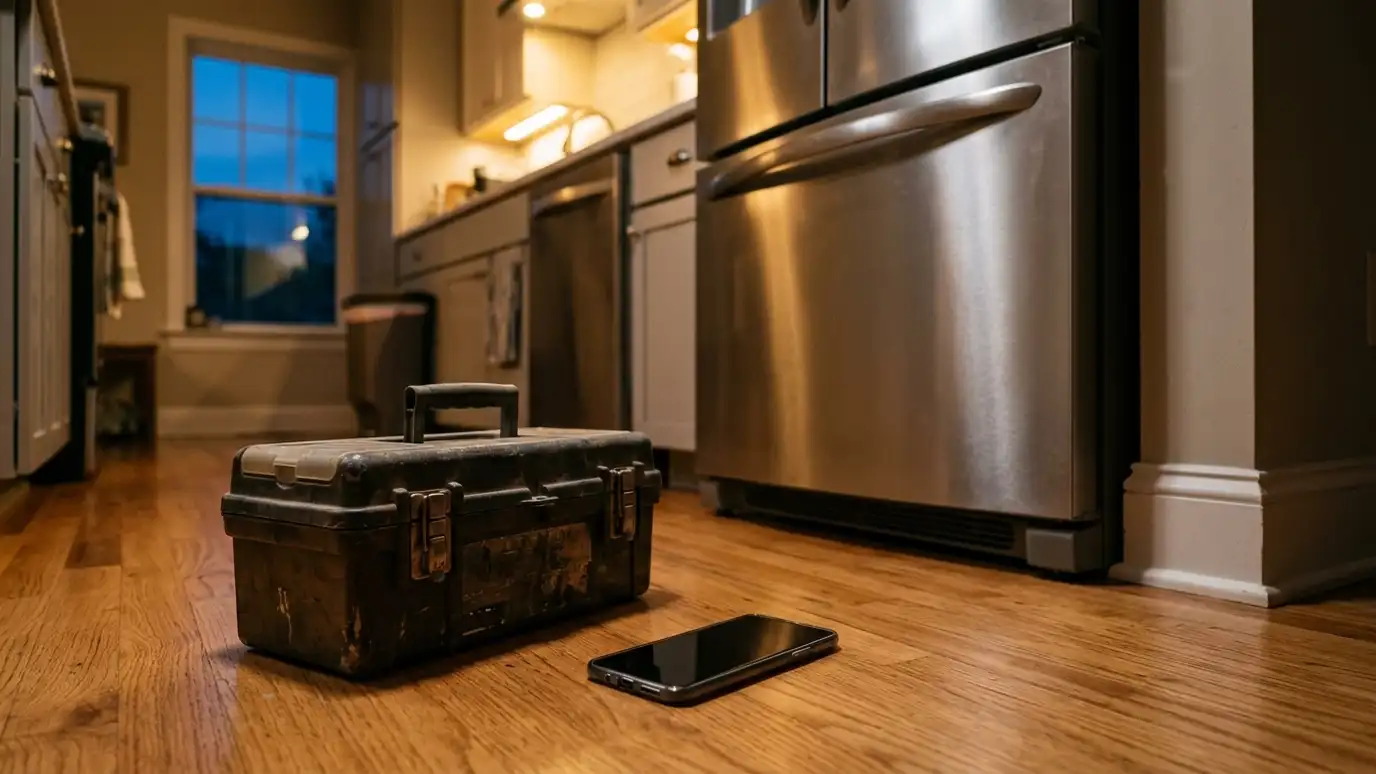
Phone photos of the model label, the error code and the problem save a surprising amount of time, and many companies can tell you what is likely from the photos alone.
Check power, settings, water and airflow first, stay away from gas and high-voltage parts and call early when something feels wrong.