How a refrigerator works
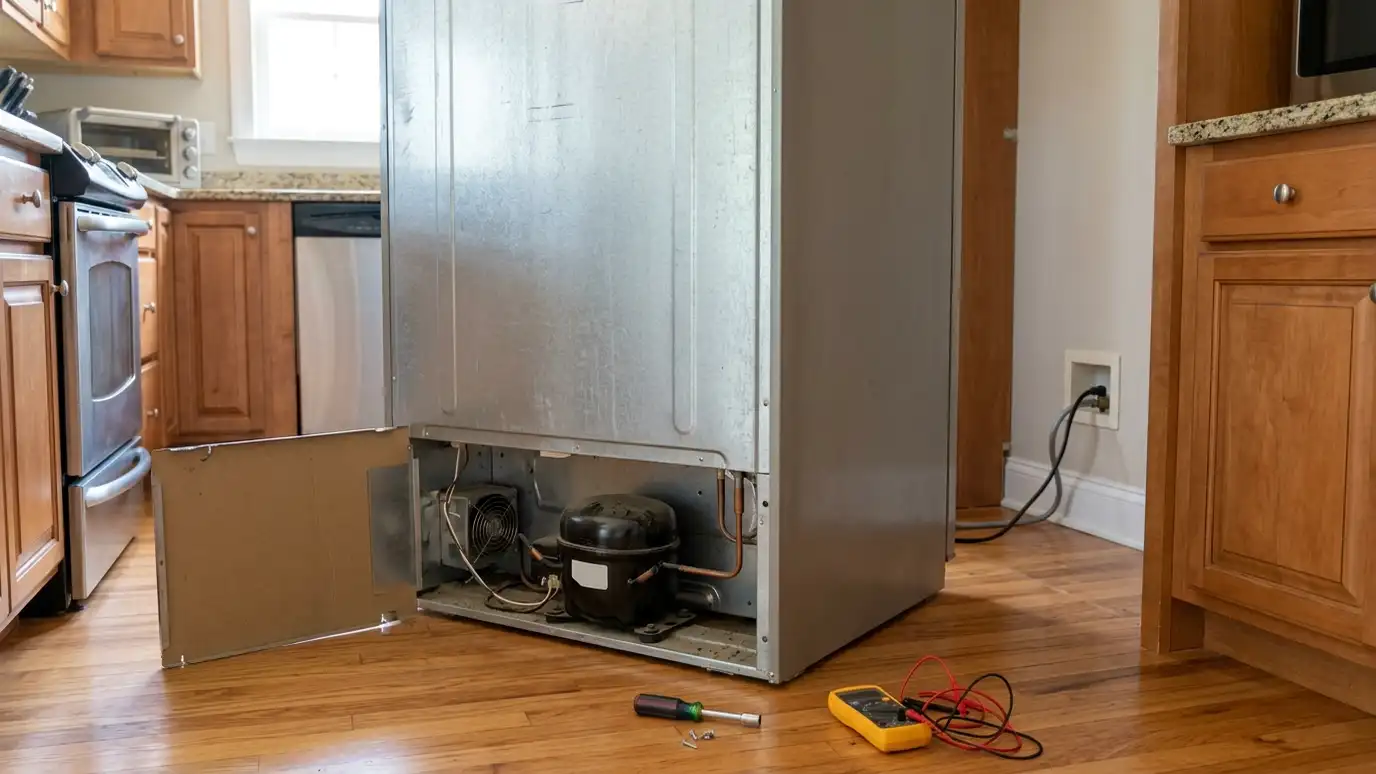
A compressor circulates refrigerant through coils. The condenser coil releases heat outside, while the evaporator inside absorbs it. A fan moves cold air through the compartments, a defrost system clears frost and a thermostat or sensor controls the cycle.
When any one of these parts fails, the symptoms can look the same: warm food, a constantly running motor or frost on the back wall.
Knowing the parts helps you describe the problem and understand the repair.
If you are curious about your refrigerator, listen for the cycle: a hum as the compressor starts, a fan whoosh and a click when it stops. A change in that rhythm, or a unit that never stops, is worth noticing.
Warm refrigerator, cold freezer
This usually points to airflow. The evaporator fan, an air damper or an iced-over evaporator keeps cold air from reaching the fresh food side.
Check that vents inside are not blocked by food. If the problem continues, call.
A quick repair here is often much less than replacement.
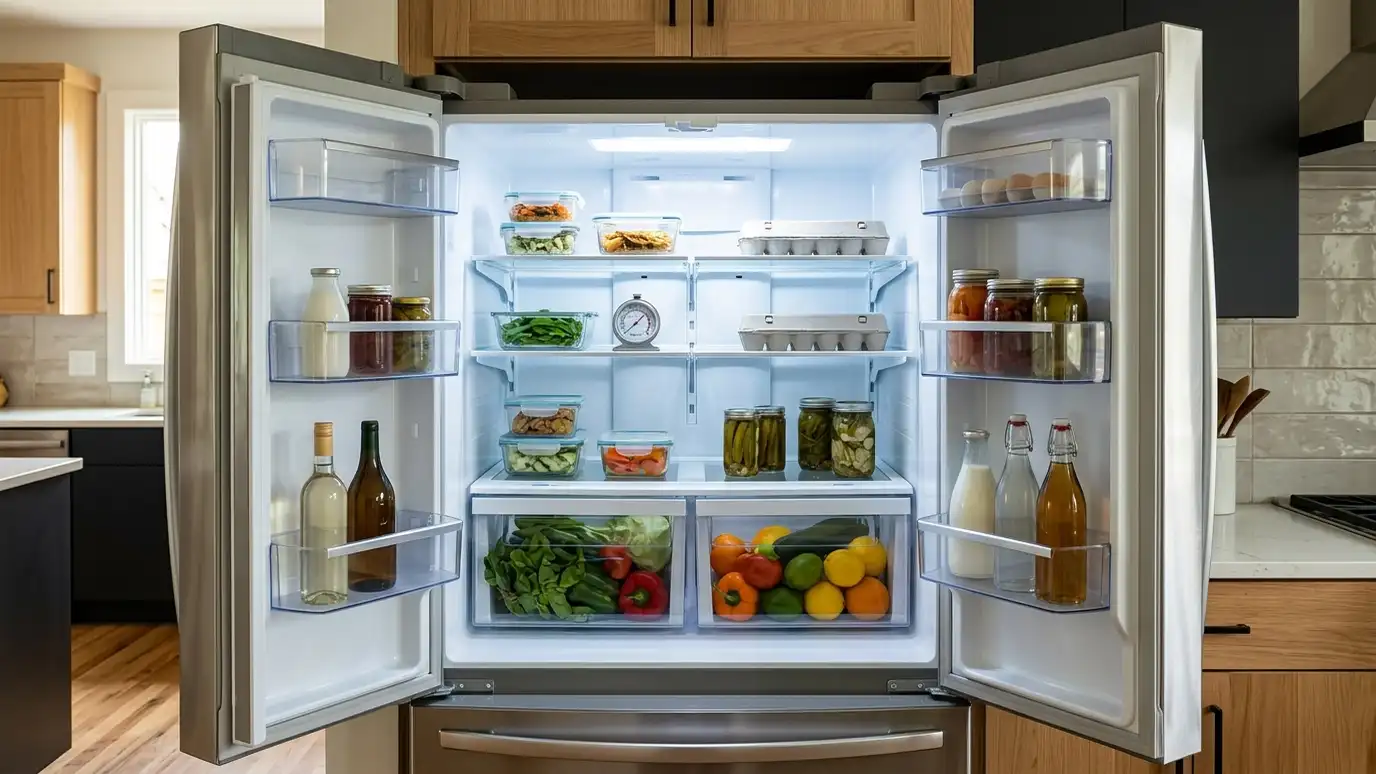
Keep the vents between the freezer and the refrigerator clear. Tall bottles and big boxes pushed against the back wall are a very common reason for a warm fridge section with a cold freezer.
Both sections warm
Dirty condenser coils, a failed condenser fan, a bad start relay or a sealed system problem are typical. Vacuum the coils and listen for the fan and the compressor.
If the compressor is silent or clicks repeatedly, call.
Keep doors closed to hold the cold while you wait.
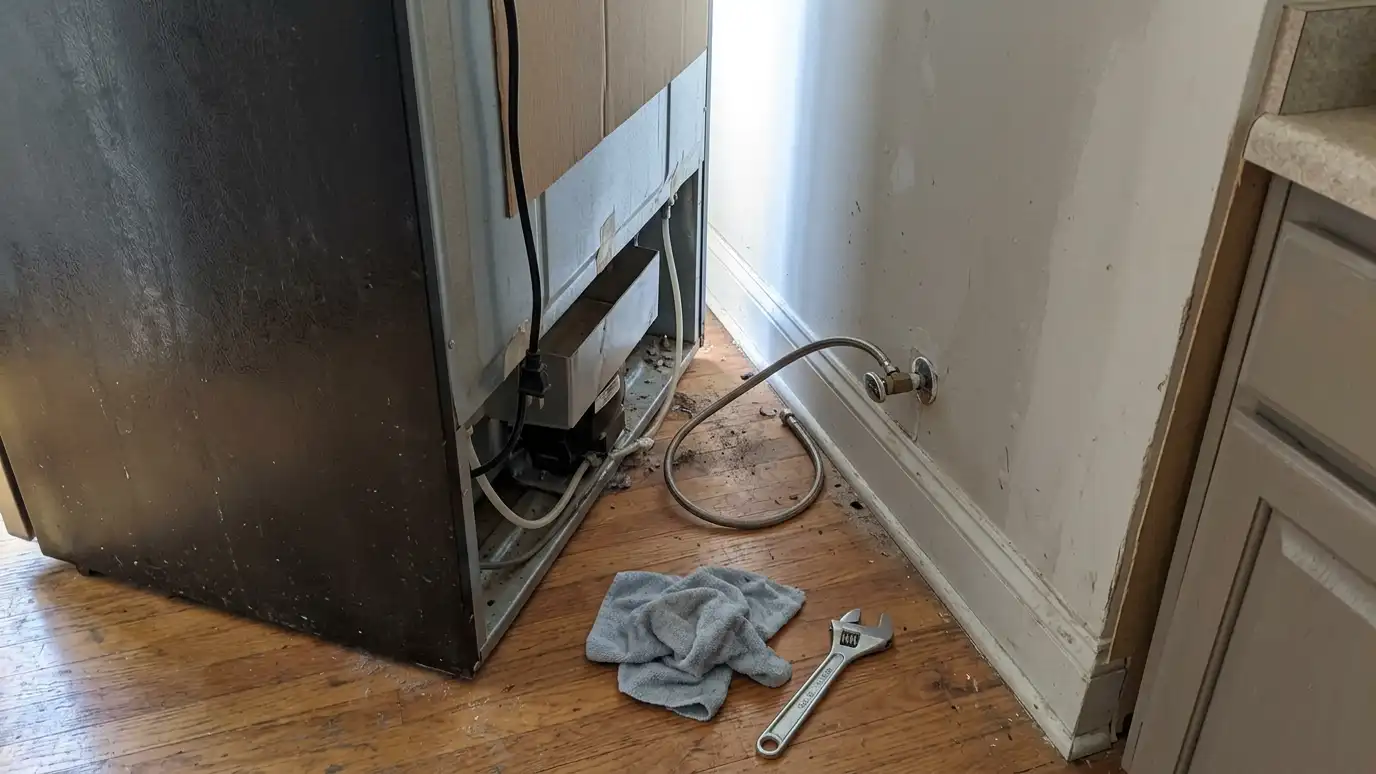
Remember that the condenser coil may be at the back, behind a front grille at the bottom or under the unit. Check your manual for the location and clean it twice a year, more often with pets.
Frost, ice and water
Frost on the back wall suggests a defrost failure. Water on the floor may come from a clogged defrost drain, a loose line or a cracked filter housing.
A weak door gasket lets in warm air and creates frost around the seal.
Do not chip ice with sharp tools, which can puncture lines.
Look at the door seals regularly. A dollar bill test, closing a bill in the door and tugging it, shows weak spots. A tired gasket wastes power and causes frost and sweating.
Noise
Normal sounds include a hum, clicks and a gurgle. Loud rattles, grinding and squeals point to fans, a loose pan or a failing compressor.
Level the unit and check that nothing touches the wall or cabinets.
A new noise is worth a call if it lasts more than a day or two.
Many new refrigerators are quieter, but they still make sounds when the ice maker drops cubes, when defrost runs or when the water valve fills. Learn what is normal so you can tell when something changes.
Food safety
Keep the doors closed. A full freezer holds cold for about two days and a half-full one about one day. Refrigerated food is at risk after about four hours above forty degrees.
Use a thermometer and throw out perishables when in doubt.
Move food to a cooler with ice if the repair will take time.
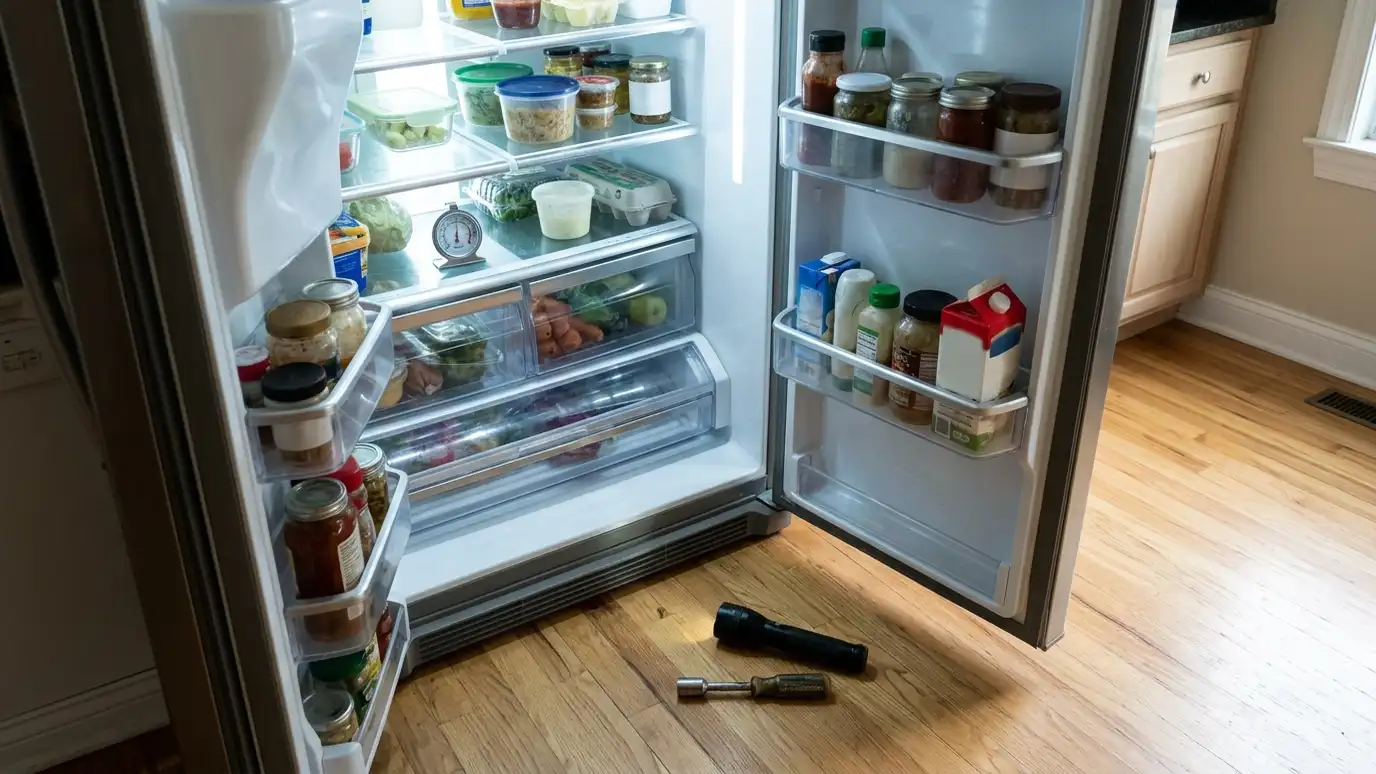
When you restock after an outage, check the temperature before you trust the food. A small appliance thermometer on a shelf is one of the best investments for peace of mind.
Care tips
Vacuum the coils twice a year, keep the doors sealed, set the fridge near thirty-seven degrees and the freezer near zero and avoid overpacking.
Replace the water filter on schedule.
Leave a few inches of space behind and around the unit for airflow.
Do not forget the freezer. A full freezer holds cold better, so fill gaps with containers of water if it is mostly empty, and keep it near zero degrees.
Clean the coils, keep doors sealed, watch the temperature and call early when it runs warm.